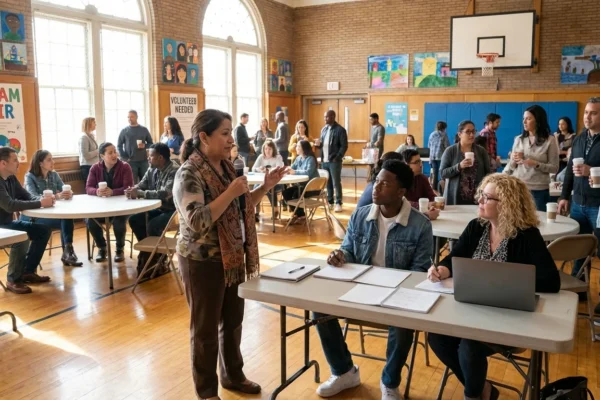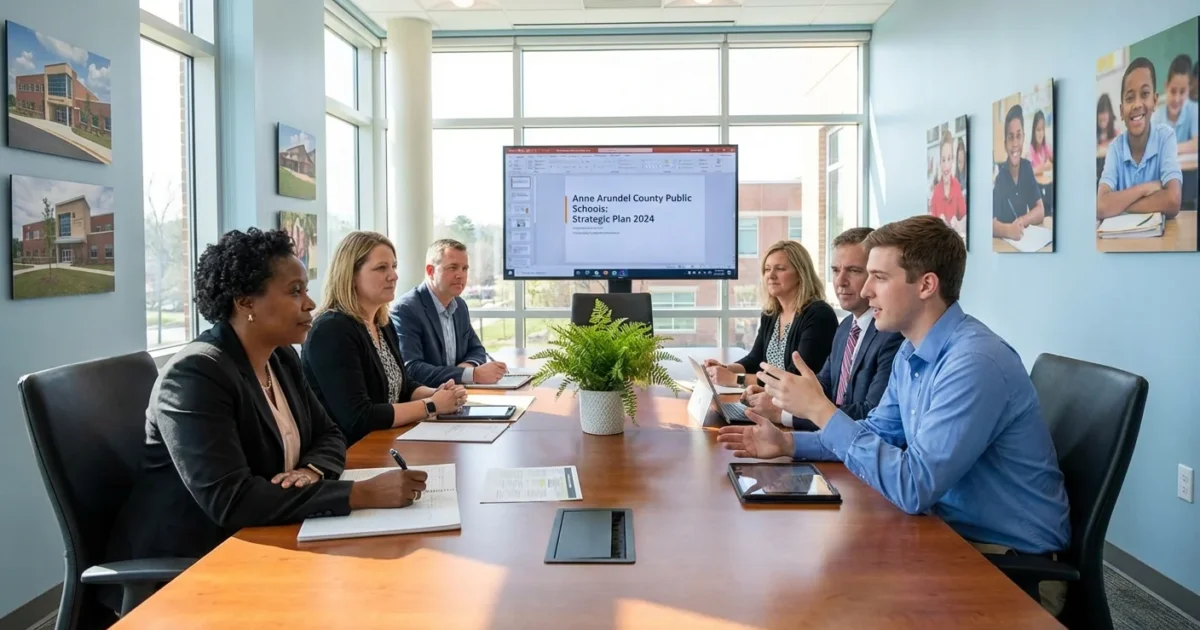
If your feed is suddenly full of Anne Arundel County Public Schools takes, you’re not imagining it. AACPS is trending hard right now, and everyone from students to school staff to parents is weighing in. Local search interest spiked fast, with a fresh wave of posts after a Board of Education meeting or announcement lit up community groups. The topic is local, but the energy is very real. People care because decisions made in those board rooms hit the classroom, the bus stop, and your daily routine. Let’s break down what’s going on, what it actually means, and how you can plug in without getting lost in the noise. Tea, but verified.
What just happened, and why everyone in Anne Arundel is talking
Here’s the vibe: a recent Board of Education moment put AACPS in the spotlight. It wasn’t a national headline. It was a local surge. Community posts and neighborhood chats started buzzing about the board’s latest agenda, which reportedly touched on high-stakes topics like budget priorities, staffing moves, and possible policy or program changes. That’s the stuff that makes parents and students hit share. That’s why you’re seeing “AACPS” and “board meeting” all over your For You page.
As of now, it looks like people are reacting to the potential impact on real things. Think school schedules, class sizes, bus routes, electives, safety rules, or even boundaries. Some posts sound worried. Others are hyped for change. The common thread is simple: everyone wants clarity.
This is one of those fast-moving stories. Details evolve between agenda drafts, public comments, and actual votes. So if your group chat is spamming you with hot takes, remember that one board presentation does not equal a final decision. Often, proposals go through multiple readings and revisions before a vote, and implementation can take months.
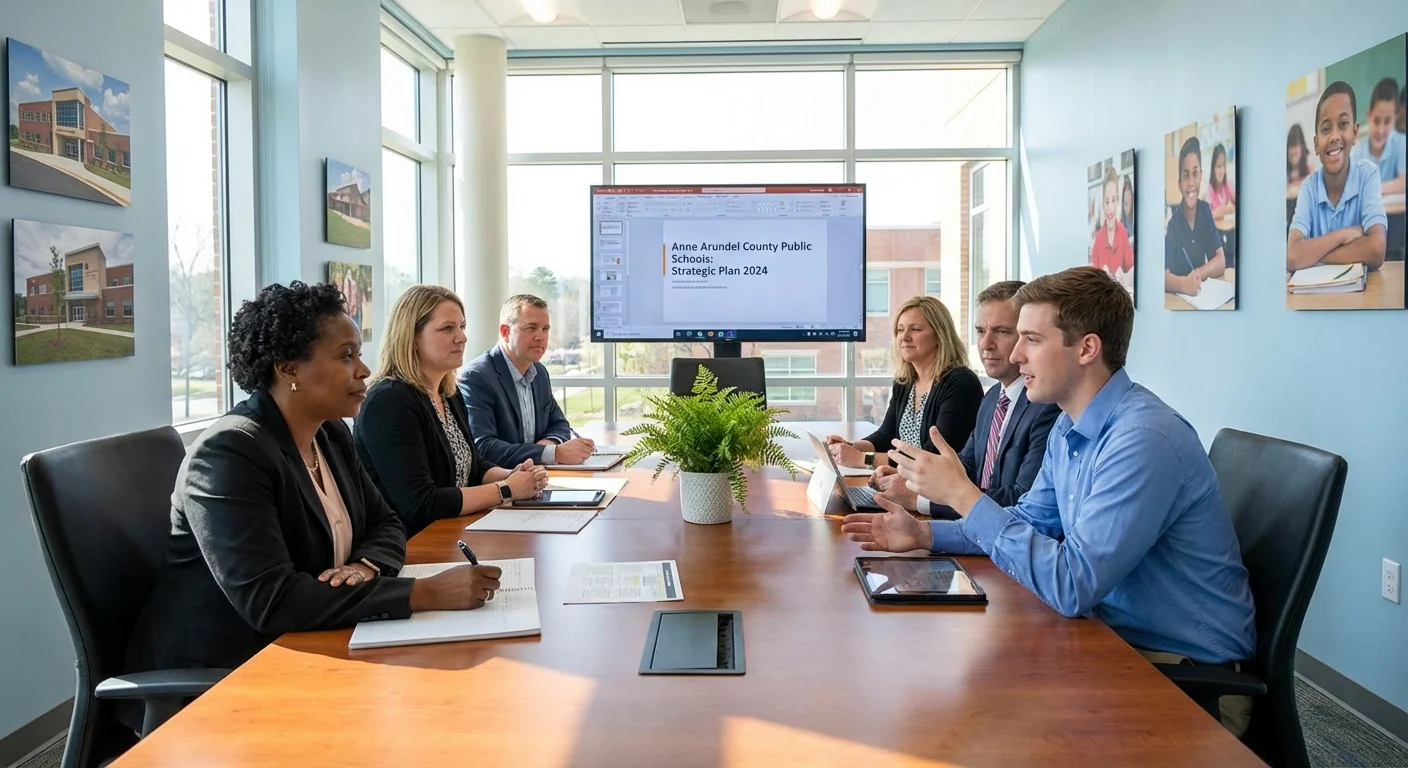
Don’t assume a rumor equals policy. Always check the latest board agenda, the superintendent’s updates, and the official meeting livestream or recording before you panic-share.
AACPS 101: The power players and how decisions actually happen
First, context. Anne Arundel County Public Schools serves K–12 students across more than 100 schools in Maryland. It’s one of the state’s larger districts, which means the stakes are big and decisions are layered.
The Board of Education is elected by the community. The board sets policy, approves budgets, adopts calendars, and hires the superintendent. The superintendent runs the day-to-day system, from academics to operations. Board meetings are where proposals get introduced, debated, amended, and sometimes sent back for more work.
Typical flow looks like this: staff present data and options, the board asks questions, the public comments, and then the board may vote or table the issue. Not everything gets decided in one night. Sometimes the headline is “first read.” Translation: discussion now, vote later. During that window, feedback matters.
Public participation is built in. You can submit testimony, email board members, or speak at meetings. Student voices are not just welcome, they hit different. When actual students explain what a busing change or a schedule shift feels like, it lands.
The flashpoint: what people say is on the table
Social posts point to three big buckets driving the current attention. The exact mix can shift, but here’s how these issues usually play out in AACPS and why they’re trending now.
Budget and staffing: the money math nobody can escape
Budgets decide everything. If state or county funding is tight, districts look at tradeoffs. That can mean hiring freezes, larger class sizes, delayed purchases, or trimming programs that serve fewer students. On the flip side, when funding is up, you’ll hear about adding support staff, expanding mental health services, or upgrading tech.
The buzz right now suggests pressure around staffing and program priorities. Think vacancies in key positions, hard-to-fill roles like bus drivers, or choices about electives. When there aren’t enough teachers or drivers, schedules shift. Routes get longer. Subs get stretched. Students feel it in the hallway and the classroom.
Families worry about equity here. If a cut hits a specialized program at one school, does that create gaps across the county? If we add staff in high-need schools, how fast can the district actually onboard people? These are the practical questions behind the posts.
Curriculum and content: what’s in your classes
Every district debates curriculum at some point. AACPS is no different. Whether it’s new standards, reading materials, or how health topics are taught, curriculum choices can light up comment sections. People care because curriculum touches identity, values, and college readiness.
If the current conversation includes curriculum changes, expect the district to say that any update involves review committees, standards alignment, and clear timelines. Expect parents to ask about opt-outs, materials access, and transparency. Expect students to ask what it means for AP, IB, or dual-enrollment tracks. It’s never just a book list. It’s your pathway.
Safety and wellness: policies you feel at the door
Safety policies are another major spark. That can include building security, mental health supports, discipline frameworks, and emergency procedures. The last few years made safety a front-row topic, and any shift triggers strong reactions.
If safety is part of the current buzz, the district will likely emphasize state requirements, best-practice guidance, and coordination with local agencies. The community will push for clarity on how rules work in real life. Students will ask about fairness, consistency, and whether support staff actually have the bandwidth to help when someone is struggling.
Boundaries and redistricting: where you go to school
Redistricting is the ultimate neighborhood debate. It’s about balancing enrollment, reducing overcrowding, and planning for new development. It also intersects with community identity and transportation. When maps change, daily life changes.
If boundary adjustments are on the agenda or even rumored, folks want to know timelines, criteria, and how the district will minimize disruption. Students want to know what happens to their friendships and teams. Parents want to know how long bus rides will be and whether siblings can stay together. These are not small vibes.
If you only have five minutes, skim the board agenda and the staff presentation slides. They usually explain the “why,” the options, and what comes next, without the noise.
What the district is saying so far
From the official side, you can expect a few common messages when controversy hits:
- We’re reviewing options, and no final decision is made until the board votes.
- We’re following state law, county funding realities, and district policies.
- We want feedback, and here’s how to share it through public testimony or email.
- We’ll post materials, timelines, and updates on the district site and meeting pages.
Translation: the process is moving, but you still have time to be heard. Staff reports usually include data points, cost projections, and impact summaries. If you care about a specific program or school, look for those details in the attachments. They often live in the meeting agenda packet or a board doc portal.
There’s also a rhythm to how AACPS communicates. Agendas post before the meeting. Live sessions stream. Minutes and recordings follow. If something changes — like a motion amended on the fly — the final action will show up in the minutes. Keep an eye on that, not just the first wave of tweets.
What this means for students and families right now
Let’s get practical. Here’s how this kind of board moment can land in your day-to-day. Not all will apply at once, but these are the big ones people are watching:
- Schedule shifts: Possible changes to start times, early release days, or bell schedules that alter your mornings and after-school plans.
- Class and electives: Adjustments to course offerings or class sizes if staffing changes, which can affect AP slots or niche electives.
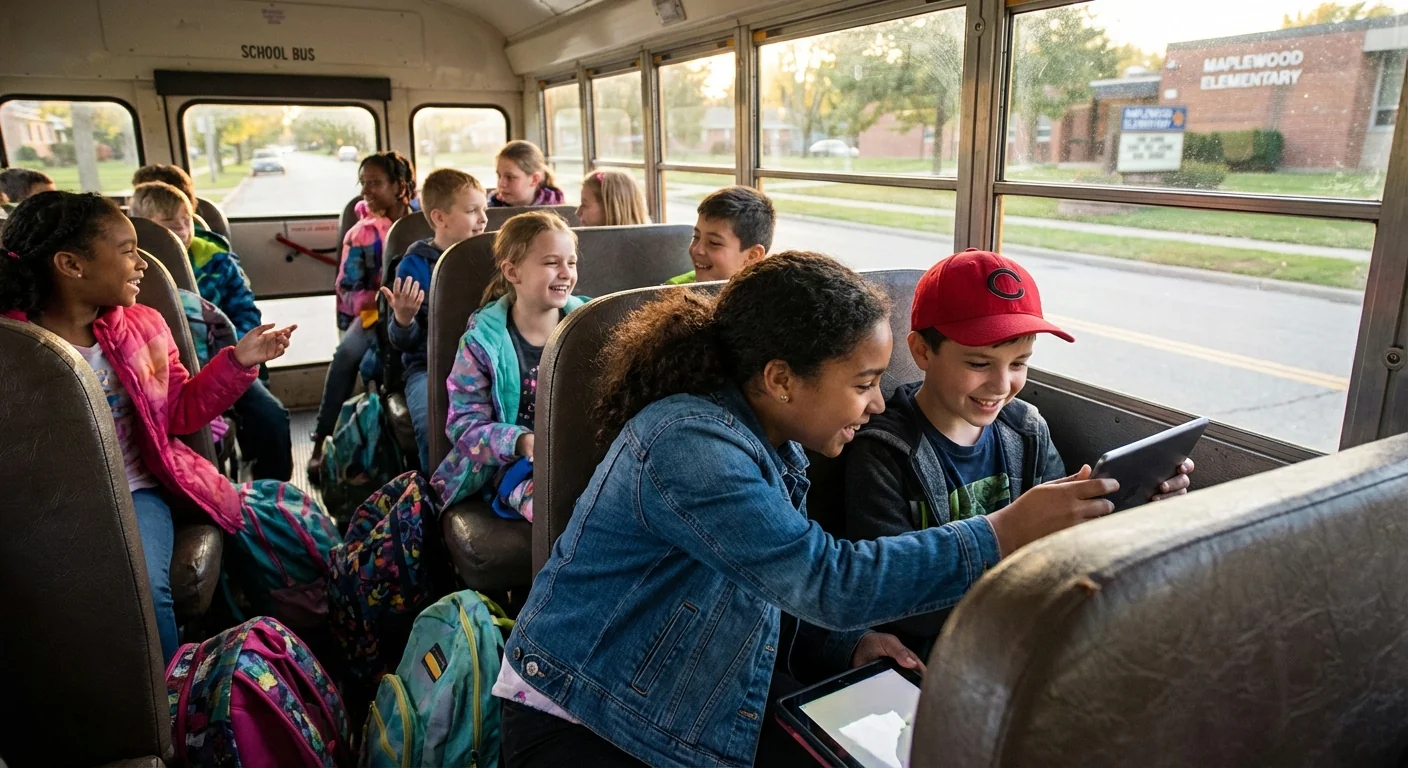
- Transportation: Route consolidation or timing tweaks if driver shortages continue, which could mean earlier stops or longer rides.
- Support services: Counseling and mental health staffing levels that impact appointment availability and wait times.
- Program placement: If boundaries or specialty programs move, some students could switch schools or commute farther.
This is why the trending wave is so intense. These decisions don’t live on a spreadsheet. They touch actual lives.
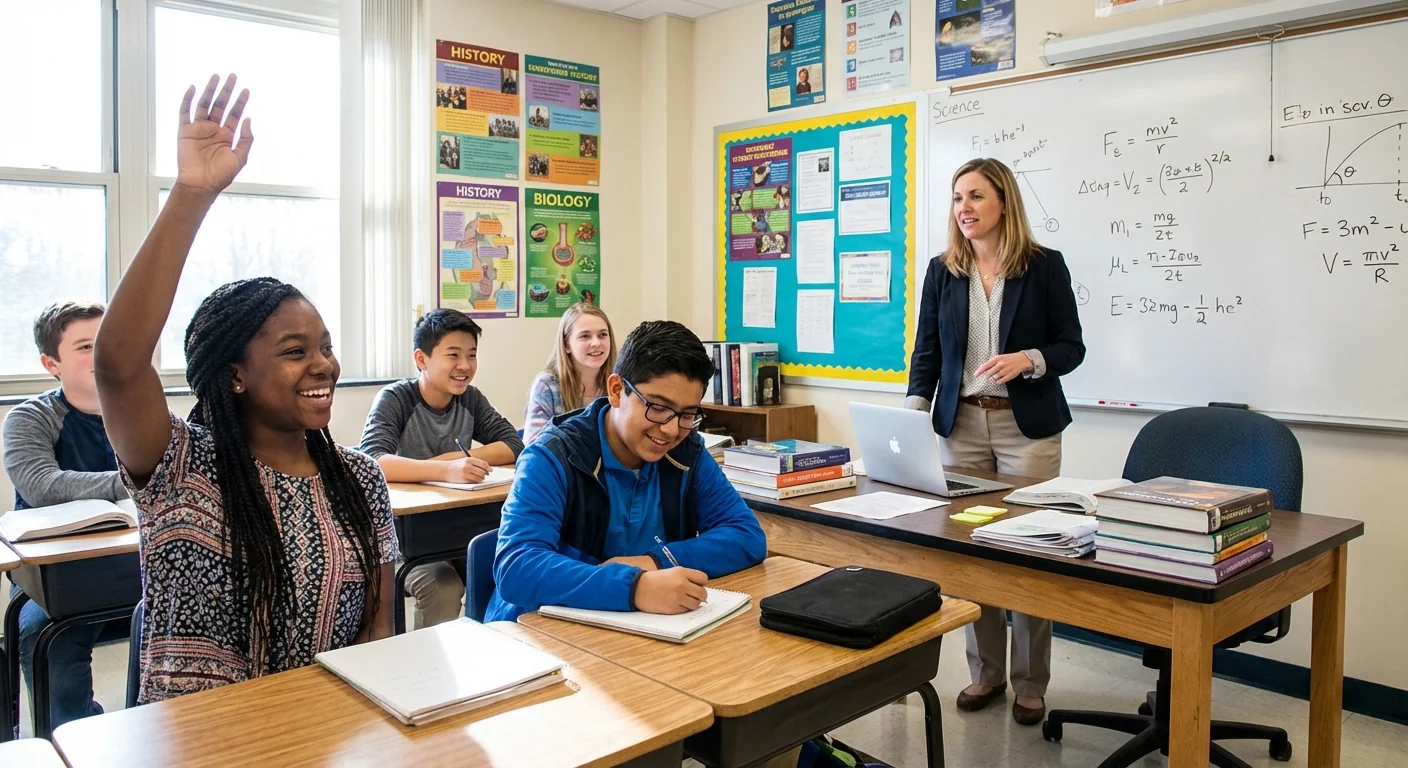
If you’re a student, your voice cuts through. Share specific stories: how a route change affects your after-school job, how a schedule tweak hits your sport, how a program has helped your learning. Specifics land harder than hot takes.
How to plug in and be heard without burning out
If you’re ready to move from doomscrolling to doing, here’s a simple playbook. Sequence matters, so follow the steps in order for maximum clarity.
- Find the latest agenda, slides, and meeting date.
Check the Board of Education page and look for the next meeting. Download the agenda and attachments. That’s your source of truth. - Identify the item number and timeline.
Is it a “first read,” a discussion, or a scheduled vote? The label tells you how urgent your feedback should be. - Draft your message.
Keep it to one page or two minutes. Use three beats: who you are, what you support or oppose, what change you want. Include your school and grade if you’re a student. - Submit testimony or sign up to speak.
Follow the instructions on the board site. Deadlines matter. If speaking slots fill fast, you can still email your comments to all board members. - Watch the meeting or the recording.
Take notes on amendments or next steps. Share a summary with your group chat or PTA. Help reduce confusion, not add to it.
Pro tip: coordinate with friends. Three clear messages from three different people often land better than one long speech. And yes, respect matters. Board members and staff are human. Firm and civil comments get read.
Real-time playbook: staying updated without falling for chaos
This is where we separate signal from noise.
First, understand that social media posts reward speed, not accuracy. You might see screenshots of a slide pulled out of context. You might see opinions presented as facts. That doesn’t mean people are lying. It just means the information is incomplete.
Second, watch for dates. A “proposal” from last year could be resurfacing like it’s brand new. Look for a date stamp or a file name on documents. If there’s no date, it’s not worth your stress.
Third, expect mid-course corrections. Board members ask hard questions. Staff update plans based on feedback. Something that alarmed you on Monday might be fixed by Friday. Keep checking back.
Finally, follow both official channels and community voices. You need both perspectives. The district site tells you the plan. Community posts tell you how it lands. Your best take is a blend.
The student lens: why your voice matters today, not “someday”
Gen-Z knows systems don’t change without pressure. But local school policy can feel boring until it hits your bus stop. Here’s the thing. AACPS has structures that amplify student voice right now, not after graduation. There are student advisory groups, school-based councils, and public comment slots open to teens. Showing up doesn’t require a suit or a twenty-year plan. It takes two minutes and a story.
Consider teaming up with classmates to gather quick data. Run a poll about how many students rely on buses after practice. Track how many can’t get the class they need due to seat limits. Numbers plus narrative is a power combo. When you show up with both, board members listen.
And if you’re nervous about public speaking, split the message. One person shares the problem. Another shares the data. A third shares the ask. Boom. You just made policy work feel human and practical.
How the community keeps the process honest
Anne Arundel isn’t new to heated school debates. What keeps the system accountable is participation. Parents, teachers, students, and neighbors bring receipts, ask better questions, and push for fair timelines. Local media and community pages amplify, but the backbone is people showing up and following through.
This moment is a chance to reset how we do school conversations. Less dunking, more data. Less “gotcha,” more “fix it.” When a hundred people say “here’s what will help students succeed,” the board has a clearer mandate to move. When feedback is specific, staff can improve a plan without scrapping the whole thing.
That’s the energy we need. Not because it’s polite. Because it works.
Frequently Asked Questions
Q: What is AACPS, exactly?
A: Anne Arundel County Public Schools is the public school system for Anne Arundel County, Maryland. It runs more than 100 schools serving students from kindergarten through 12th grade. An elected Board of Education sets policy and approves budgets, and a superintendent leads daily operations.
Q: Why is AACPS trending right now?
A: A recent Board of Education meeting or announcement sparked intense community discussion, mainly around high-impact issues like budget, staffing, curriculum, safety, or boundaries. The surge is coming from local social media and neighborhood groups more than national outlets.
Q: Are changes already decided?
A: Not necessarily. Many items go through multiple discussions before a vote. Some proposals are first reads or drafts. Final decisions show up in board votes and official minutes, not just in agenda previews or viral posts.
Q: How can I give feedback that counts?
A: Submit written testimony, sign up to speak at a meeting, and email board members. Use specifics about how a proposal affects you or your school. Keep it concise and respectful. Include your school and grade if you’re a student.
Q: Where do I find the latest info?
A: Check the district website for board agendas, staff presentations, livestreams, and minutes. Local Maryland news outlets and community social channels are good for real-time reactions, but verify with the official documents before you assume anything is final.
Conclusion
AACPS is having a moment, and it matters because the decisions on the table flow straight into your daily life. Schedules, staff, classes, buses, safety — these aren’t abstract lines in a budget. They’re the shape of your school year. The noise can get loud, but you don’t have to drown in it. Start with the agenda. Listen for the vote. Share your story. Bring data. Stay kind, stay loud, stay focused.
This isn’t a doomscroll. It’s a chance to shape the system that shapes you. And that, low-key, is the kind of local power Gen-Z is built for.