
If your group chat has been debating the “right” hepatitis B shots and timing, you are not alone. Google is popping off with searches about the CDC hepatitis B vaccine schedule. Parents want clarity on the birth dose. Adults are trying to pick between a 2-dose or 3-dose series. And everyone wants a clean answer they can trust. This guide breaks it down in Gen-Z plain speak, with zero gatekeeping and all the key details you actually need. Let’s get you vax-literate, fast. 💉✨
Why this is trending right now
Hepatitis B is old news to doctors, but the schedule just went viral. The CDC’s immunization charts have been shared and reshared on social feeds, in parent forums, and across clinician TikTok. That sparked a flood of “Wait, which one do I need?” questions. The confusion is real, and it usually comes down to three things: the birth dose timing for newborns, the choice between a 2-dose and 3-dose series for adults, and special rules for babies born to moms who have hepatitis B.
Here is the vibe: the CDC recommends a universal birth dose for all infants, then more doses in infancy. For adults, good news, there are options. Some vaccines need three doses. One newer option for people 18 and older needs only two. The goal is the same across the board, though. Create long-lasting protection against a virus that can damage the liver for life.
Hepatitis B 101: what you need to know
Hepatitis B is a virus that attacks the liver. It can spread through blood and body fluids. Think pregnancy and birth, sharing needles, unprotected sex, or needlestick injuries at work. Many people never feel sick at first. That is the trap. Even without symptoms, it can turn into chronic infection and cause cirrhosis or liver cancer years down the line. Not cute.
The vaccine flips the script. It is not a live virus. It teaches your immune system to build protection so if you meet the real virus, your body blocks it. For most healthy people, once you complete the series, you are protected for decades. No annual boosters needed for the general public. Shield mode, on. 🛡️
The CDC schedule at a glance
Let’s walk through who gets what and when. Then we will zoom into special cases and catch-up plans.
Newborns and infants: the birth dose is a big deal
All newborns should get a hepatitis B vaccine dose at birth. Ideally within 24 hours. This first step is key because hepatitis B can pass from parent to baby during delivery, and early protection keeps babies safe from severe disease.
After the birth dose, babies finish the series during infancy. The exact timing depends on the vaccine brand your clinic uses, but the classic pattern looks like this:
- At birth: first dose, preferably within 24 hours
- At 1 to 2 months: second dose
- At 6 to 18 months: third dose to complete the series
Your pediatrician will line up the shots with other routine vaccines. It is a smooth fit with the standard baby schedule. If a dose is given late, do not stress. The series does not restart. You just give the next dose and keep going.

Minimum spacing matters for the last dose to “count.” In general, there should be at least 4 weeks between dose one and two, at least 8 weeks between dose two and three, and at least 16 weeks between dose one and three. The final infant dose is usually given at 6 months or later.
Babies born to moms with hepatitis B: urgent, extra steps
If a pregnant person tests positive for hepatitis B surface antigen, the newborn needs special protection right away. They should receive the hepatitis B vaccine and a second medicine called HBIG within 12 hours after birth. HBIG gives instant, short-term antibodies while the vaccine trains the baby’s immune system for long-term defense. Then the infant completes the usual vaccine series on time.

After finishing the series, these babies also need a check-in blood test to confirm protection. Doctors typically test around 9 to 12 months of age, or 1 to 2 months after the last dose. The test looks for both the virus and protective antibodies. If protection is not high enough, the care team can give more doses and retest.
If your baby was exposed during pregnancy, timing is everything. The combo of vaccine plus HBIG in the first 12 hours is critical. Tell your delivery team as soon as you arrive, and double-check it is given before discharge.
Kids and teens: catching up is simple
Not every child gets the full series on time. Life is life. Maybe a move, a missed appointment, or records got lost. The fix is simple. If a child or teen has not completed the hepatitis B series, they should catch up. The schedule depends on age, but the rule is chill. You do not start over. You pick up where you left off and finish the remaining doses with the right spacing.
This is also clutch for high schoolers heading to college. Many campuses require proof of hepatitis B vaccination. If your portal says “missing,” you can complete the series at a clinic or pharmacy and submit updated records.
Adults: 2-dose vs 3-dose, choose your path
Here is the adult headline. Most adults can choose between a 2-dose series or a 3-dose series. Both work. Both protect. The main difference is timing and the specific vaccine brand.
- The 3-dose classics, like Engerix-B or Recombivax HB, are usually given at 0, 1, and 6 months. This is the long-trusted route. Clinics everywhere have it.
- The 2-dose option, Heplisav-B, is for adults 18 and older. It is given at 0 and 1 month. Many people love it because it is fast and done in just one month.
If you have certain medical conditions, your clinician may recommend a specific product or dosing plan. For example, people on dialysis or with weakened immune systems sometimes need higher doses or extra checks. If you are pregnant, talk with your prenatal care team about the best vaccine option during pregnancy.
Also important, the CDC now recommends universal hepatitis B vaccination for all adults 19 through 59 years. Adults 60 and older should get vaccinated if they have risk factors, and they can also choose to get vaccinated even without known risk. That makes the decision easy for most people in their 20s, 30s, and 40s. If you are unvaccinated, getting protected is recommended.
Short on time? Ask a pharmacy or clinic if they carry the 2-dose Heplisav-B series for adults 18 and older. Two visits, one month apart. Set calendar reminders and you are golden. 📅
The catch-up game plan
Let’s say you are not up to date. What now? The move is simple. Book the next dose and complete the series, no matter how long it has been. You do not need to restart from zero. Your past doses still count.
Who should get vaccinated if not already? Everyone 19 through 59. For people 60 and up, vaccination is recommended if you have risks. Here are common groups who benefit from catch-up:
- Healthcare and public safety workers with potential exposure to blood
- People with diabetes, chronic liver disease, HIV, or hepatitis C
- People who inject drugs or share equipment
- People with sexual exposure risk or household contact with someone who has hepatitis B
If you are traveling to areas where hepatitis B is more common, ask your clinic about getting protected before your trip. Many travelers pair their hepatitis B series with a hepatitis A series. There is even a combo vaccine for adults that covers both, but your provider can guide whether it fits your plan.
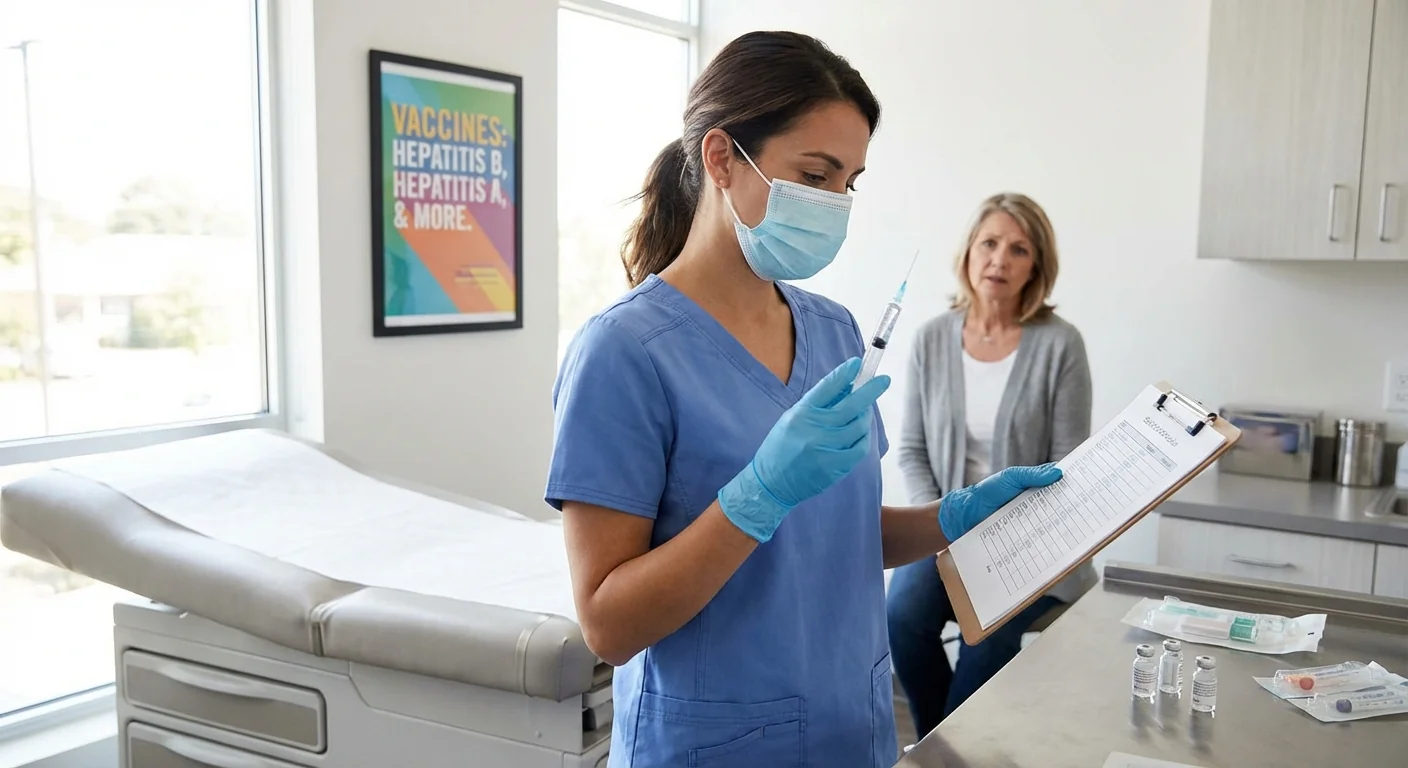
Missed a dose? Do not restart. Just continue. The CDC is clear on this. Your immune system remembers. Bring whatever records you have. Your provider can map the remaining doses.
How to make the schedule work for you
Let’s be honest. Schedules are only helpful if you can actually follow them. Here is how to keep your future self happy and protected.
First, choose a place that can deliver on time. Pharmacies are clutch for adults because walk-ins are common and hours run late. Campus health centers are great if you are a student. Pediatric clinics are the home base for infants and kids. Ask what brand they carry so you know if it is a 2-dose or 3-dose series.
Second, lock in reminders. Add both doses to your calendar before you leave. If you are going for the 3-dose pathway, the 6-month dose is the one that drifts. Tie it to another life moment, like the end of a semester or a birthday month.
Third, find your paperwork. Screenshot the vaccine record and save it to your files. Many schools, jobs, and volunteer programs ask for it. Keep it handy for future onboarding. It is the adult version of extra credit.
Finally, know your why. Hepatitis B can be silent. You protect yourself, your partners, and your future by getting the series done. If you plan to work in healthcare or get a tattoo, or if you are sober curious but not there yet, protection now means fewer worries later. Big immune system energy. 💪
Special situations, simplified
Let’s hit a few scenarios that often cause confusion.
If you started with one brand and the clinic only has another, can you mix? Yes, in most cases. Standard hepatitis B vaccines can be mixed, and you still complete the series. If the series involves different products, your provider will follow the spacing rules that match what you have received. If you are unsure, bring your card and let them check.
If you had hepatitis B in the past or tested positive before, vaccination may not be necessary. That is because your immune system might already have antibodies. Your provider can run a quick blood test to check your status. Do not guess. Testing makes it clear.
If you are immunocompromised, have chronic kidney disease, or are on dialysis, your care team may monitor your antibody levels after the series. Some people in these groups need extra doses or periodic boosters based on antibody testing. This is tailored care, not one-size-fits-all.
If you are pregnant and unvaccinated, talk to your prenatal provider. Vaccination during pregnancy is recommended when indicated, but the specific product choice may differ. Some clinics prefer traditional 3-dose products during pregnancy. The priority is protecting both you and the baby.
If you missed the birth dose with your newborn, it can still be given in the first days or weeks. Your pediatrician will guide the timing for the follow-up doses. The goal is to get back on track quickly.
What changed, and what did not
People are asking “Did the CDC change the rules?” Here is the real story. The core idea for infants did not change. A dose at birth, then more doses in infancy, has been the standard for years. What has evolved is attention to the exact timing. The birth dose should be within 24 hours. That is emphasized now more than ever.
For adults, the biggest headline is universal vaccination for ages 19 to 59. That simplifies decisions. On top of that, the 2-dose Heplisav-B option for adults 18 and over has made completing the series much easier for many people. Convenience matters. It helps more people get fully protected, which is the point.
So there is more clarity now, not less. Which is a win.
Frequently Asked Questions
How many doses do babies need, and when?
Most babies get three doses. One at birth, one at 1 to 2 months, and the final dose at 6 to 18 months depending on the vaccine brand. The first dose is best within 24 hours of birth. Your pediatrician times the rest to align with other routine vaccines.
What if my baby was exposed during pregnancy?
If the mom has hepatitis B, babies need the vaccine plus HBIG within 12 hours after birth, then the usual series. Later, a blood test checks that the vaccine worked. Tell your delivery team early so everything is set at birth.
I am 25 and unvaccinated. Do I need hepatitis B shots now?
Yes. The CDC recommends hepatitis B vaccination for all adults 19 through 59. You can choose a 3-dose series over six months or a 2-dose series over one month, depending on availability and your health status. Pharmacies and clinics can help you start today.
Can I mix brands if my clinic changes products?
Usually yes. The standard hepatitis B vaccines can be mixed. If you mix Heplisav-B with other brands, your provider may follow a 3-dose plan to complete the series. Bring your records so they can set the right spacing.
What if I am late or miss a dose?
No panic. Do not start over. Just get the next dose as soon as you can. The CDC says the series never resets. Your immune system still benefits from completed doses with proper spacing.
Do I need boosters later on?
Most healthy people do not need hepatitis B boosters after finishing the series. Protection usually lasts for decades. Some people with kidney disease, on dialysis, or with weakened immune systems may need blood tests and booster doses. Your provider will guide that.
Is the vaccine safe? Any side effects?
Hepatitis B vaccines have a strong safety record. Typical side effects are mild and short. Soreness where you got the shot, a little fatigue, or a low fever for a day or two. Serious reactions are rare. If you have allergies or special medical issues, talk with your clinician.
Can I get vaccinated while pregnant or breastfeeding?
Vaccination during pregnancy is recommended when indicated. Your provider will choose the vaccine that fits best in pregnancy. Breastfeeding is not a reason to delay getting vaccinated.
Where can I get it?
Doctor’s offices, public health clinics, campus health centers, and many pharmacies. Call ahead to ask which vaccine they have and how many doses you will need. Set your reminders before you leave.
Conclusion: your move, your protection
The CDC hepatitis B vaccine schedule is not meant to be confusing. It is meant to be consistent, simple, and protective. Babies get a birth dose fast, then finish in infancy. Adults 19 to 59 are recommended to get vaccinated, with a choice between a faster 2-dose series and a classic 3-dose series. If you missed a shot, pick up where you left off. If you have special risks or you are a new parent navigating delivery, timing and follow-up are key, and your care team has your back.
The trend is not about panic. It is about clarity. You know the options now. You know the timing. Set your plan, book the appointment, and let your immune system do what it does best. Future you will be grateful. 🌟