

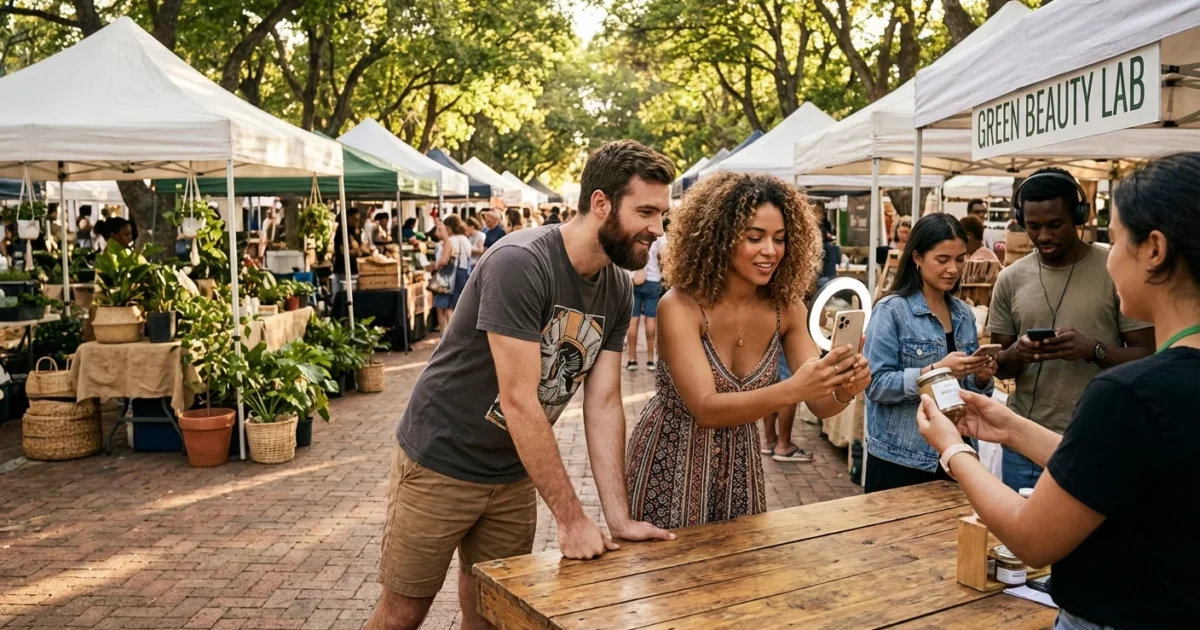
If your For You Page suddenly looks like a mall, you’re not alone. “Shop” is spiking across search and socials, and it’s not just because of a random sale banner. The internet is in buy mode, feeds are pushing viral finds, and every app wants to be your cart. This moment feels loud, fast, and a little chaotic. But it’s also exciting. New tools make buying smoother, creators are shaping taste in real time, and local shops are getting love again. Let’s unpack what’s going on, how to shop smart, and how small businesses can ride the wave without wiping out.
Why “shop” is trending right now
There isn’t one big headline driving this. It’s more like a perfect storm. Seasonal promos heat up, everyone shares “what I bought” hauls, and platforms roll out easy checkout features. Suddenly, “shop” becomes the word of the week.
E-commerce growth hasn’t slowed. Mobile checkouts keep getting faster. One-tap pay, saved address info, and smarter discover pages shave off seconds and add to carts. That speed changes behavior. When it’s easy, we buy more. When it’s quick, we don’t overthink. The apps know that. They design for that.
Social commerce is the amplifier. Instagram shops. TikTok Shop. In-app product tags. It’s not just ads anymore. It’s creators you trust, going live with a product demo or dropping an honest review. Discovery used to be you searching for what you need. Now it’s your feed telling you what you didn’t know you wanted. That can be fun. It can also be chaotic. Either way, “shop” conversations explode.
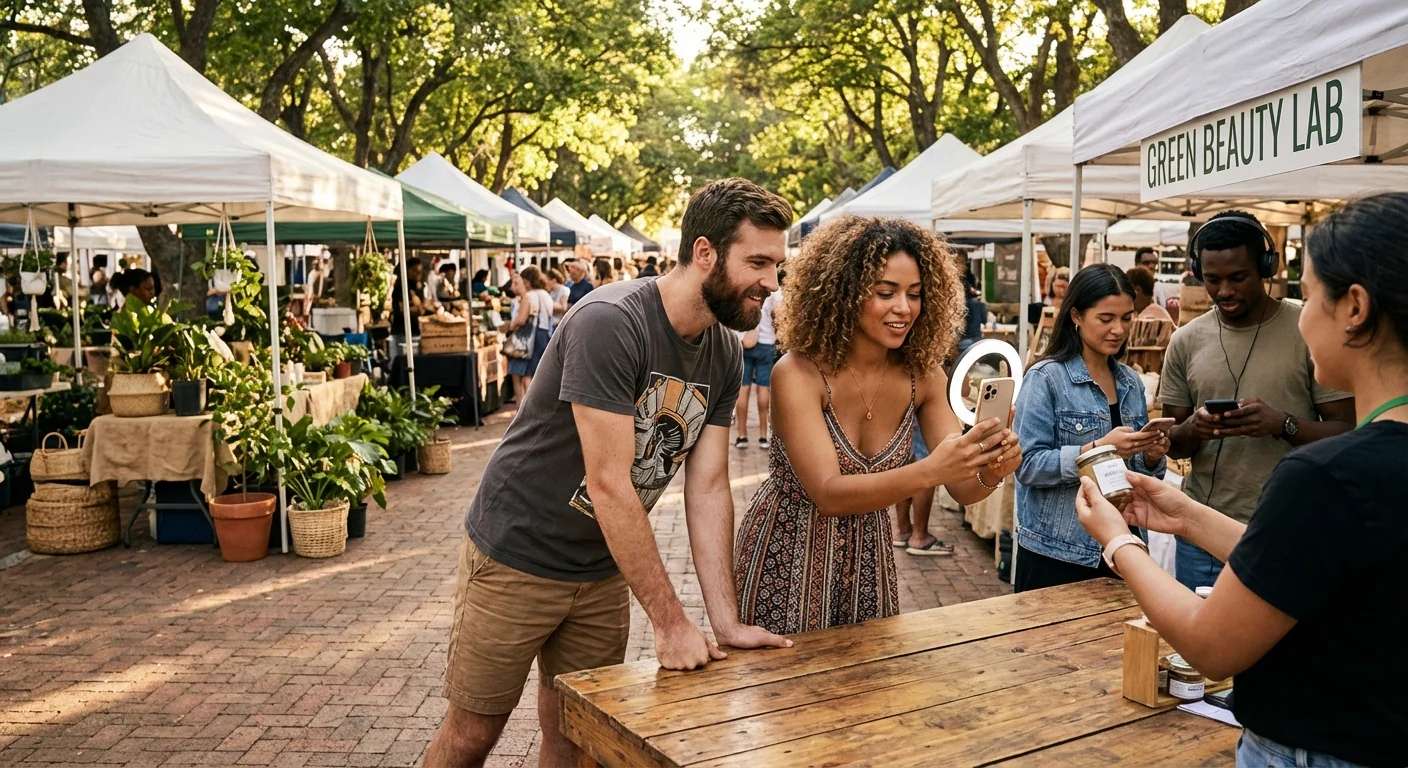
Seasonal timing matters too. Interest spikes around big sales, holiday runs, and end-of-season clear-outs. We see surprise drops, exclusive collabs, and time-limited codes. That urgency fuels clicks. Everyone wants the deal, the fit, the win. And because Gen-Z cares about values, the convo also includes local shops, thrift flips, and sustainable picks. Convenience and conscience are both in the chat.
The vibe shift behind the cart
Shopping used to feel like a task. Now it’s content. It’s entertainment. Hauls, unboxings, GRWM with product links, “dupe or not” battles. Shopping is culture. It’s community and algorithm blended. That’s why you’re seeing it everywhere. The algorithm thinks you want it. Your friends are sending links. Your favorite creator posted a discount. The entire ecosystem nudges you to shop.
Where we shop now: online, IRL, and in-app
We’re no longer choosing between “online or in-store.” We’re using all of it. The big move is hybrid. You discover on TikTok, compare on a marketplace, try in-store, order on your phone, pick up curbside. It’s not about a channel. It’s about flow.
Online marketplaces
Marketplaces still rule for selection and price. They make everything feel available at once. The pros are speed, reviews, and price competition. The cons are choice overload and the risk of counterfeit goods. It’s easy to get lost in filters and forget to check the seller. That’s how scams slip in. So you pause, read details, and look for return policies that actually make sense.
In-store moments
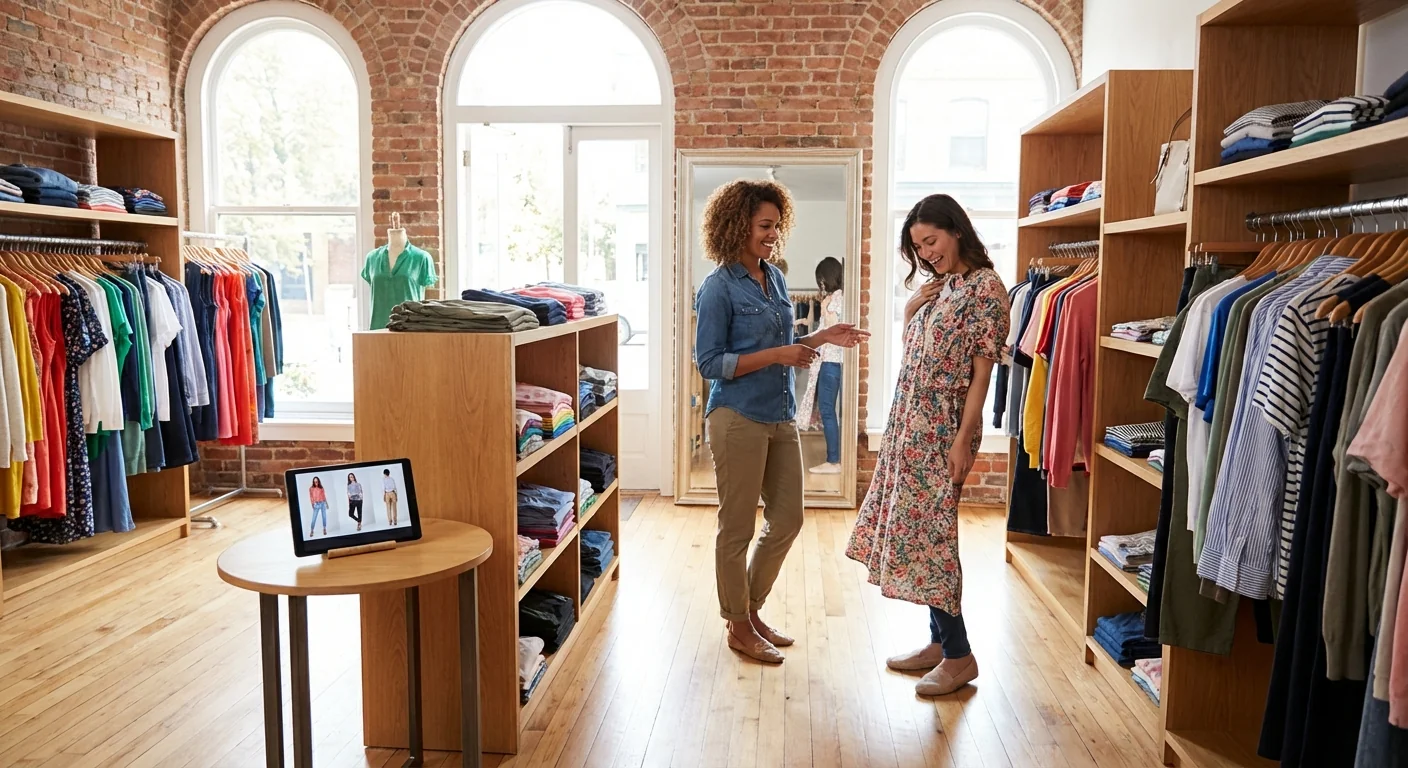
IRL isn’t dead. It’s having a comeback. People love touching fabric, matching shades, and getting real help. Stores are adding QR codes, app-only discounts, and ship-to-store perks. Buy online, pick up in-store is everywhere. You get the convenience of the internet and the instant gratification of walking out with a bag. It’s our favorite two-for-one.
In-app social shopping
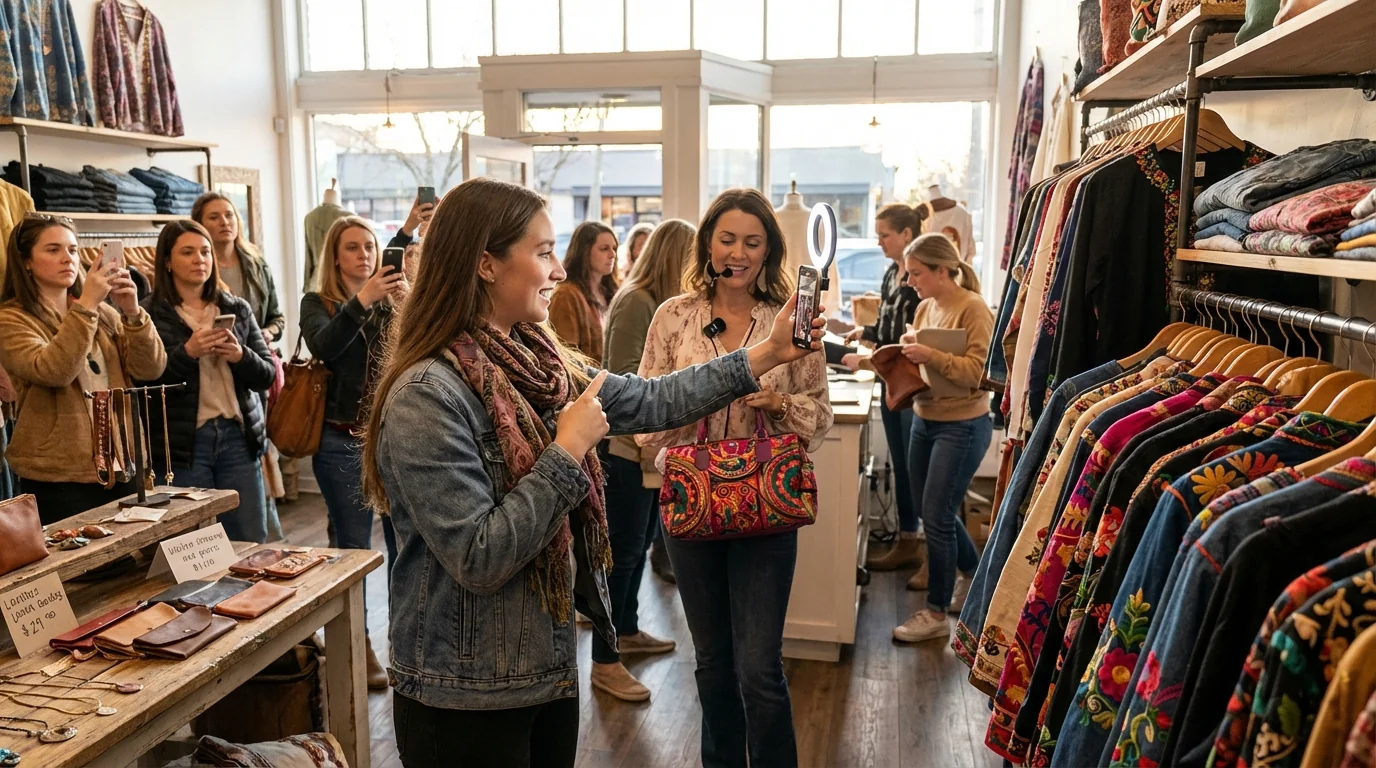
TikTok, Instagram, and YouTube aren’t just billboards. They’re checkout counters. Tapping directly from a Reel or a Live removes friction. That can be clutch for small drops and trending finds. But it also means impulse buys can spike. Creators do live demos. Mods drop discount codes. And by the time chat explodes, inventory is already thin. Blink and it’s sold.
In-app shopping is fastest when your payment details are saved. That’s also when mistakes happen. Turn on purchase notifications so you catch anything weird the second it hits.
The scroll-to-cart pipeline: how we buy now
The journey goes like this. You scroll. You see a product on someone you trust. You watch a quick review. The comments hype it up. A code pops up. The app autofills your address. The dopamine hits. Now it’s in your cart, and you’re one swipe away from “got it.”
Micro-creators make this pipeline personal. Smaller accounts often come off more real, less ad-y. Their recs feel like a friend texting you. And because the content is tighter and faster, you process the decision at light speed. That’s how “shop” becomes a vibe you live inside, not a chore you check off.
Live shopping pushes it even harder. Live is a blend of QVC and Twitch. It’s chat-driven. It’s chaotic and fun. Demos, questions, quick answers, viewer polls. The energy sells it. Limited stock warnings spike FOMO. Time-sensitive discounts play your brain like a drum. You’re not failing at self-control. You’re reacting to a system designed to lower it.
Drop culture is part of this too. Brands tease. They hint. They preview. Then they pull the trigger at a time everyone is watching. That energy makes the drop feel like a concert. You don’t want to miss it. You want to be part of the moment. “Shop” becomes not just what you buy, but the story you get to tell about it.
Smart shopping, no regrets
Shopping is fun. Regret isn’t. You can play the game and still protect your coin. The trick is mixing convenience with a few guardrails. Think of it like seatbelts for your wallet.
Comparison is your friend. Screenshot the item. Search a few stores. Check if a local shop carries it. The “lowest price” isn’t real until you peek at shipping, taxes, and return fees. Those hidden costs sneak up on you. A slightly higher price with free returns can be the better deal.
Returns are key. If an item looks sus, the policy should save you. But every store’s rules hit different. Some are generous. Some will fight you. Know the window. Know if you need original packaging. Know if it’s store credit only. That tiny fine print drives big outcomes.
If a deal looks too good to be true, it probably is. Be wary of sites you’ve never heard of, especially if the URL looks off, the site is glitchy, or the return policy is hard to find.
Quality checks can be fast. Look for real photos in reviews. Scan for repeat phrases that sound bot-like. Check materials and sizing charts. If a product page dodges details, that’s a red flag. Customer service should be reachable. If you can’t find an email or chat, ask yourself why.
Sustainability fits here too. You can save your budget and the planet. Buying less but better is a vibe. So is thrifting, renting, or swapping. Gen-Z has made secondhand cool, and platforms are catching up with easy resale features. The flex is not just what you own, but how smart you got it.
Here’s a quick mini-checklist for when you feel the impulse hitting:
- Screenshot the item and check two other stores for price and stock
- Read three recent reviews, including the worst one
- Scan the return policy for the window, method, and fees
- Pause for ten minutes and see if you still want it
Set price alerts on items you actually need. When the price drops, you buy with intention, not FOMO.
Small businesses: how to ride the “shop” spike
If you run a brand or a local store, this moment is your playground. People are ready to buy. They’re scrolling for inspiration. If you show up with clarity and good vibes, you win. You don’t need a huge budget. You need speed, trust, and a clean path to purchase.
Start with video. Short, honest clips beat glossy ads right now. Show the product in use. Add captions. Answer the top three questions you get in DMs. People care more about how it fits into their life than a big brand story. Keep it real. Keep it quick.
Lean into micro-creators. They convert because their audience trusts them. Gift thoughtfully. Brief simply. Let them speak in their voice. Forced scripts kill vibe and sales. A single authentic review can outperform ten polished ads, especially on TikTok and Reels.
Make checkout effortless. Link in bio should not be a maze. One tap to the product. Clear variants. Transparent shipping. If you can, add Shop Pay, Apple Pay, or other one-touch options. Reduce clicks. Reduce drop-off. Every extra step is a lost buyer.
Use local love. If you’re a neighborhood spot, shout out your pickup times and same-day options. People want convenience without guilt. “Order online, pick up in 2 hours” is a superpower for small stores. Feature staff picks. Feature your regulars. Community sells.
Optimizing the basics is a cheat code:
- Clean product photos, plus a video with a human using it
- Honest sizing and fit notes, with body measurements for context
- A return policy that is easy to read and fair
- Fast replies to DMs, ideally with quick answers saved
Bundling works too. Offer a set that solves a problem, not just a random mix. A skin routine bundle. A dorm starter pack. A “work-from-cafe” kit. People buy solutions. If you name the moment, they see themselves in it.
Promise less, deliver more. Under-commit on shipping time and try to beat it. Add a small freebie in orders above a threshold. Track packages and update customers before they ask. That energy has people talking. Word-of-mouth is the original algorithm.
Finally, map your community. Who are your fans? What do they share? What time do they shop? Post when they’re online. Go live when they’re available. Your feed should feel like a hangout, not a billboard. The sale is the outcome of the relationship. Build the relationship first.
Values vs convenience: finding your balance
Gen-Z doesn’t want to choose between easy and ethical. We want both. The good news is the market is moving that way. More platforms show carbon footprints. More brands reveal supply chains. Thrift and resale keep growing. Even big stores have sustainable lines now.
But perfection is a trap. You’re allowed to blend. Maybe you buy your basics from a marketplace for speed, and you support local for gifts. Maybe you thrift most of your wardrobe and go new on footwear. You don’t have to pick one lane forever. Just make the choice on purpose.
Community helps a ton. Follow creators who test and review green claims. Join local groups that swap or resell. Learn which brands stand behind repair and which ones don’t. The more we ask the right questions, the better the answers get.
What’s next in “shop”
Expect more AI in your cart. Recommendation engines will get smarter and creepier. They’ll know if you’re shopping for a festival, a move, or a new job. The upside is better finds faster. The downside is spending faster too. Stay aware of the nudge.
Live shopping is still finding its groove. Some days it feels like a hit. Some days it flops. But the format will evolve. Expect collab live streams, creator-curated flash malls, and integrated try-on tech. Imagine scanning your body once and having fit data personalize everything you see. That won’t be a decade away. It’s on the runway.
Secondhand will keep climbing. Not as a niche, but as a core. Platforms will make listing easier, shipping cheaper, and verification tighter. Brands will run their own resale. You’ll see “pre-loved” next to “new” on product pages by default. For a lot of categories, it makes sense.
Payments will get smoother. Buy now, pay later is already here. Use it wisely. The slicker it gets, the more careful you should be. Budget tracking inside your wallet app will help. Some cards already nudge you if you’re spending outside your normal pattern. That’s the friendly robot we actually need.
Finally, IRL will glow up. Stores will become community spaces again. Pop-ups, ear-piercing bars inside jewelry shops, live DJ sets in clothing stores, repair bars next to tech displays. If a store feels like a scene, we show up. The cart becomes a souvenir from a good time, not just a transaction.
Frequently Asked Questions
Q: Is social commerce safe?
A: It can be safe when you stick to known platforms, verified shops, and clear return policies. Watch for red flags like super low prices, rushed checkouts, and no contact info. Pay through the platform, not off-app.
Q: How do I avoid impulse buys?
A: Use a 10-minute rule for small items and a 24-hour rule for bigger ones. Add to wishlist instead of cart. Set price alerts so you buy on your terms. If it sells out, it probably wasn’t meant to be.
Q: Are dupes worth it?
A: Sometimes. Quality varies a lot. Read reviews, watch wear tests, and check materials. If a dupe touches skin or plugs into a wall, be extra careful. For safety items, stick to the real thing.
Q: What’s the best time to shop sales?
A: Big promos hit around holidays, end-of-season, and major shopping weekends. But mini-sales drop constantly. If you can wait, compare. If you need it now, check if a local store can price match.
Q: How do small brands stand out in this chaos?
A: Be human, be fast, and be clear. Video demos, honest captions, simple checkouts, and helpful DMs beat fancy ads. Collaborate with micro-creators whose audience matches your buyer.
Conclusion
“Shop” is trending because the way we buy is changing in real time. It’s part content, part culture, part code. Mobile makes it easy. Social makes it viral. Seasonal promos make it urgent. In that swirl, we get to choose our lane. We can chase deals without getting scammed. We can support local and still love next-day shipping. We can vibe with creators and still think for ourselves. This moment isn’t just about carts and codes. It’s about control. Shop with intention, flex your values, and let the algorithm work for you, not on you. You got this.
