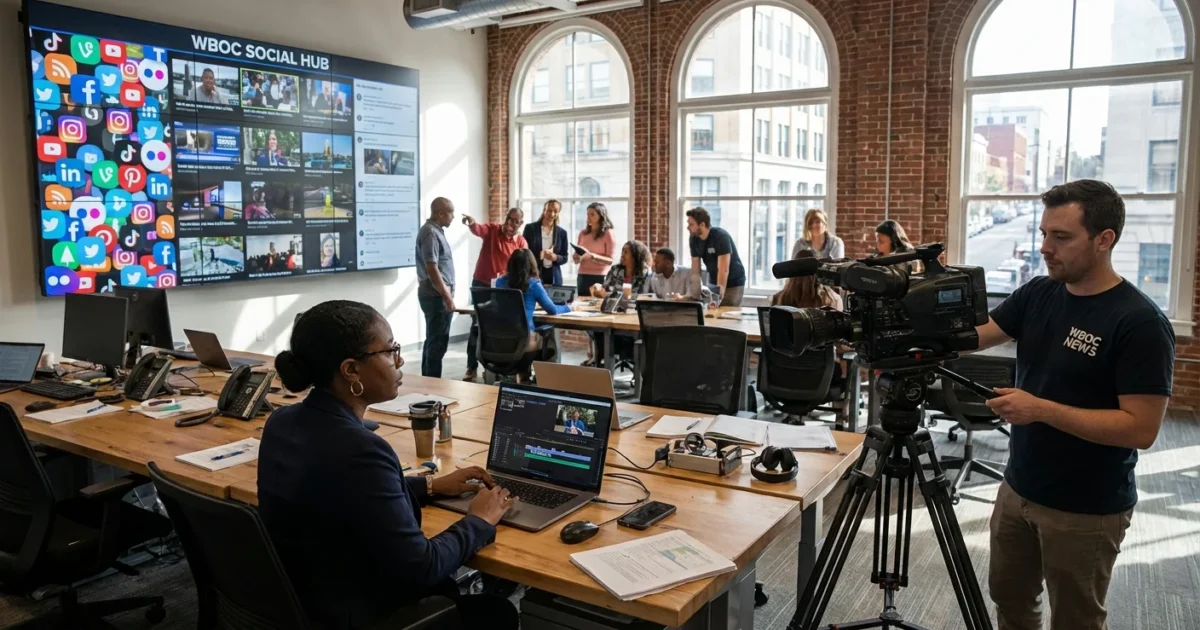
If your feed suddenly started serving up clips from a station called WBOC and you were like, wait, what is that, you’re not alone. The Delmarva Peninsula’s go-to TV newsroom just popped on Google Trends, and the spike looks real. Here’s why a local station can hit viral levels, how to figure out the exact moment everyone’s sharing, and what it says about the future of news in the social era.
First things first: What even is WBOC?
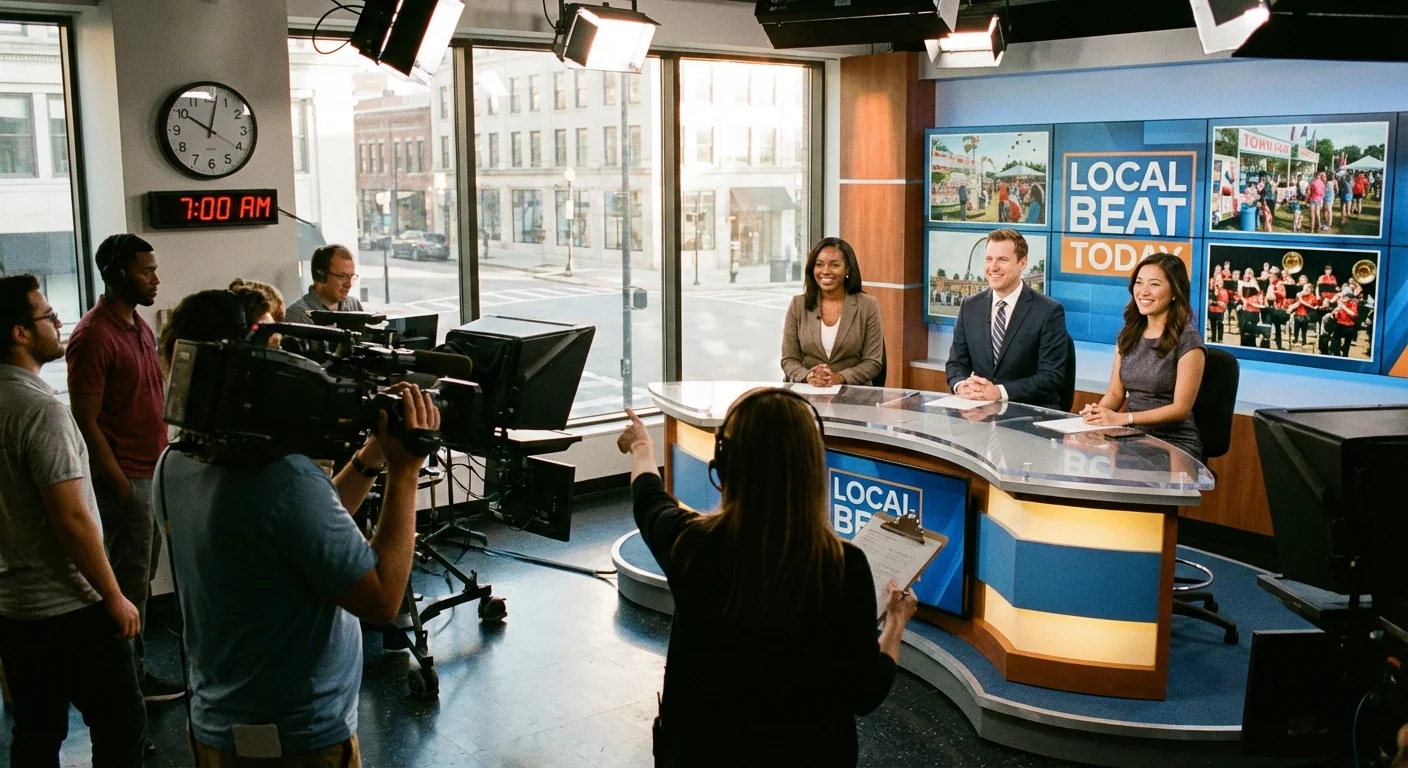
WBOC, often styled WBOC-TV, is the main TV news source for the Delmarva region. Delmarva is that slice of land between the Atlantic Ocean and the Chesapeake Bay, covering parts of Maryland, Delaware, and Virginia. Think Salisbury, Ocean City, Rehoboth, and more small beach towns with big vibes. The station serves that whole area with daily news, weather, sports, and investigative reports. It’s part of Draper Media, a regional media group that owns several TV and radio properties. So it’s not just a single broadcast. It’s a whole local network.
The callsign has a neat local twist. People commonly say it stands for “We’re Between Ocean and Chesapeake.” That sums up the station’s vibe. Hyper-local. Coastal. Community-first. If you live in Delmarva, WBOC is the default channel for school closings, storm watches, beach forecasts, and county-level politics. For everyone outside the region, the name might seem random. For locals, it’s the brand.
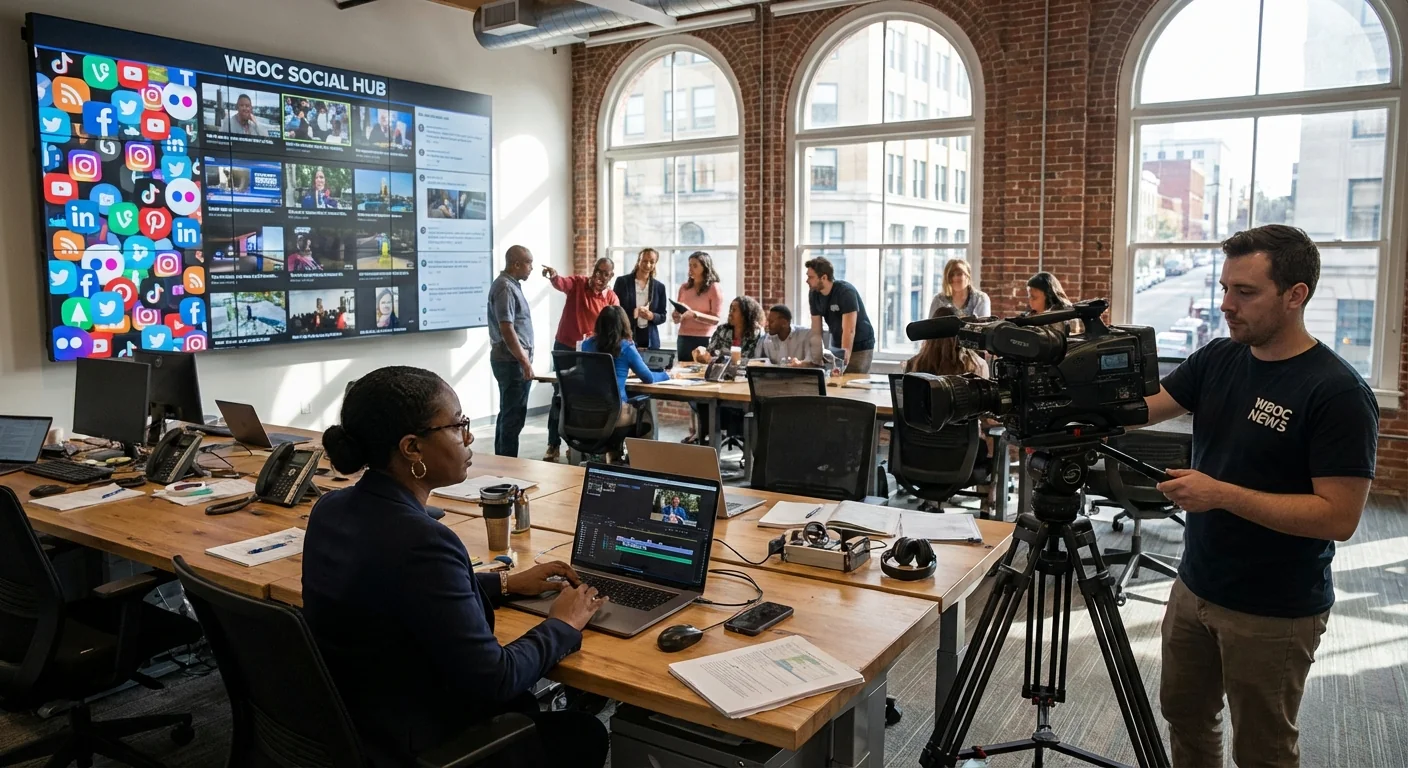
And it’s not just TV anymore. WBOC runs multiple digital subchannels and streaming feeds, carrying both its own reporting and programming tied to major networks. Their social presence is active. Their clips get cut for TikTok, Instagram Reels, and YouTube. When a moment hits, they have the pipes to spread it fast.
Why WBOC is trending right now
Here’s the tea. There’s no confirmed national headline tied to WBOC at the moment. That doesn’t mean nothing happened. It means the trigger is likely local and social, not national. For stations like this, spikes usually come from one of three lanes:
- A viral on-air moment
- Major breaking news, often weather or an election
- A staff or ownership reveal that lands as big community news
If you’re on Delmarva, you may already know which one hit. If you’re not, you probably saw a clip stripped of context on your For You Page. A meteorologist unbothered by 50 mph winds. An anchor who kept it too real on live TV. A sudden tornado warning. An investigative piece that rocked a local school board or sheriff’s office. Any of those can fire up shares in hours.
The timing also checks out. The trend started spiking within the last day. Local clips can snowball fast, especially if a beach influencer, college account, or regional sports page shares them. That first boost gets the algorithm curious. Then the comments go wild. Then a national aggregator grabs it, with a caption like “Local station not playing today.” Boom.
Want to confirm the exact trigger fast? Check WBOC’s latest posts on TikTok, Instagram, Facebook, X, and YouTube. Search “WBOC” plus “clip,” “storm,” “anchor,” or “investigation.” Look for the most recent video with abnormal views or comments. That’s usually your spark.
Even without the exact clip, we can talk about why it resonates. The reason is simple. Local news still owns the moments that actually change people’s day. And when those moments are dramatic or touching, they travel.
The anatomy of a local-TV viral moment
Local TV is built for live, emotional, high-stakes moments. That combo is catnip for social. WBOC’s success here isn’t random. It’s structural.
Local stakes hit harder
When the story is about your street, your beach, or your school, you feel it. You know the landmarks on screen. You recognize the towns in the crawl. You might see someone you know. National news feels big. Local news feels personal. That personal edge is what snaps people out of doomscroll autopilot. It’s also what makes comments go off. Locals add context. They correct rumors. They tag friends. It’s social, but it’s grounded.
Weather owns attention
Delmarva is a weather story waiting to happen. Coastal storms, nor’easters, hurricanes, pop-up tornadoes, wicked fog. A WBOC meteorologist standing in sideways rain is both chaotic and practical. It’s “this is wild” plus “do I need to take cover.” That dual content adds urgency. People will stop to watch and then keep checking in. When a station drops clear radar, simple instructions, and human calm, trust builds. That trust keeps people coming back.
Investigations stick
A strong investigative piece can dominate a region for weeks. Think school board money, housing code problems, police oversight, developer drama, environmental concerns near the bay. Good investigations don’t just expose. They explain. WBOC has years of practice translating heavy stuff into plain talk. When a segment names names or shakes status quo, it spreads beyond TV. Residents forward it to family chats. Community groups share it on Facebook. TikToks summarize it. The ripple keeps going.
Anchors are culture
On-air staff become hometown celebrities. When an anchor or reporter has a standout moment, it lands like a pop-culture clip. A mic-drop sign-off. A perfect deadpan. A heartfelt interview with a storm survivor. These are tiny human movies. They’re shareable. They also create parasocial bonds. Even if you don’t watch nightly, you still feel like you know them.
WBOC’s multi-platform game is the cheat code
This is key. WBOC isn’t relying on your cable box. The newsroom builds for broadcast and digital at once. That means faster clips, cleaner captions, and better thumbnails. They cut segments flexible enough for TikTok and Reels. They subtitle everything for sound-off viewing. They remix storm maps into tappable posts. It’s not just “throw it online.” It’s “make it native.”
That matters because your attention is mobile. If the only way to see the clip is to wait for the 6 p.m. newscast, it dies. If it hits shorts and stories within minutes, it lives. Once it lives, it spreads. That spread doesn’t replace TV. It loops back to it. People who catch the clip online will tune in for the full story at 6 or 11. Or they’ll stream it on the website. Distribution is a circle now, not a line.
Behind the scenes, that workflow also helps reporting. When a newsroom gets good at packaging, they get faster at iterating. They can update a breaking story five times in a day without burning out the audience. They can fix errors, add context, and pin top comments that help. The result is cleaner information, less confusion, and more trust.

What the spike says about the power of regional TV in 2025
We live in a world where anyone can post a video and call it news. That’s awesome and chaotic. It means more voices. It also means more noise. In that chaos, regional stations like WBOC still matter a lot. Here’s why.
They have access. Cops and county leaders answer their calls. Hospitals send them data. Schools loop them in first during emergencies. They have editors and standards. They can go to air with verified facts and still keep the vibe human. That balance is rare.
They also anchor identity. Delmarva is a region, not a single city. It’s a coastline with small towns, military bases, farms, retirees, and seasonal tourists. Honestly, it’s a mix. A station like WBOC helps those parts see each other. It stitches the area together night after night. That’s a civic function. It sounds formal, but it’s actually casual. It shows up as a teacher’s shout-out, a fishing forecast, or a Friday night football highlight.
Finally, they adapt. The old myth says TV is dying. The new reality says TV that learns to be social is thriving. WBOC didn’t wait. They built the channels. They trained talent to talk on camera like humans. They invested in weather tech. They leaned into investigations. That’s why when a moment hits, the station is ready to trend.
Local doesn’t mean small. A city block story can hit like a national saga if it captures a universal feeling. That’s how regional clips go viral.
How to plug into WBOC without a cable box
If you’re in Delmarva or planning a beach trip soon, it makes sense to keep WBOC on your radar. Here are the fast ways to do it without cable:
- Follow WBOC on TikTok, Instagram, Facebook, X, and YouTube for clips and live hits.
- Use their website or app for full stories, live streams, and weather alerts.
- If you have an antenna, scan for WBOC and its subchannels for free over-the-air.
- On a smart TV, look for the WBOC stream or local news hubs that carry their feed.
This setup covers you for breaking storms, traffic, beach weather, school closings, and local elections. It also plugs you into a community conversation that’s way more helpful than random rumor threads. When big stuff happens, being tuned in can reduce stress. Knowledge is grounding. So is a familiar face telling you what to do and what not to do.
Why staff or ownership news can trend hard
You might be thinking, it’s just a staffing update. Why would that spike? Two reasons. First, anchors and reporters become part of people’s routines. If someone leaves, gets promoted, or moves to a new time slot, viewers have feelings. They show up in the comments. They share old clips. They talk about favorite moments. That builds reach.
Second, media ownership changes can signal shifts in coverage. Draper Media’s portfolio is local, but any move in a market as tight as Delmarva draws attention. People want to know what’s changing. Will the morning show feel different. Will we get more of a certain kind of story. In a world where national media can feel distant, these local shifts feel like they’re happening in your living room.
OK, but what triggered this week’s surge?
Let’s reality-check. I don’t have live access to WBOC’s internal metrics or their feeds in this exact minute. Here’s how these spikes usually play out, and how each type connects to your For You Page.
If it was a weather hit: A sudden severe thunderstorm warning or a coastal flood alert can make a region search for updates at the same time. Everyone sees the same sky. Everyone needs the same info. The clip that trends is usually either a meteorologist with strong on-air presence or a viewer-submitted video of wild conditions. The comments turn into a neighborhood thread. People tag their friends up and down the shore. That’s your viral chain.
If it was an investigative report: There’s often a build-up. Teasers drop in the afternoon. The full piece airs at 6 or 11. It’s posted with a clear headline, and the share text is specific. “Here’s how your taxes funded X.” Or “We found Y in county records.” That clarity gets the click. Then it gets the quote-tweets. It extends into podcasts and follow-ups. The trend lasts longer than a weather spike, but the first pop is still immediate.
If it was an on-air moment: These can be chaotic and fun, or serious and raw. An anchor does a quick fact-check. A mic catches an unexpected comment. A reporter comforts a source. The clip is short and self-contained. It doesn’t need context because the emotion carries it. Those clips explode outside the region. Not because they’re newsy, but because they feel human.
Beware out-of-context edits. If a WBOC clip feels spicy, check the full segment on their site or YouTube. Short cuts can warp meaning fast.
No matter which path today’s spike took, the takeaway is the same. Local news can still set the tone for a community and win attention online. When the reporting has stakes and the presentation has personality, it works. The algorithm likes clear, quick, emotional stories. Local TV has them daily.
The WBOC effect on Gen-Z viewers
Here’s what’s underrated. Gen-Z isn’t anti-news. We’re anti-noise. We want trustworthy info that respects our time. WBOC’s strongest content does exactly that. Tight scripts. Clean visuals. Useful maps. Real people. Shareable insights. No filler. When that style shows up in feeds, it hits.
There’s also a vibe match. Coastal life is content. Beach weekends. Boardwalk sunsets. Fishing runs. Summer jobs. The region looks great on camera. That helps WBOC land softer stories with high replay value. Pet rescues. Local artists. Food trucks. High school sports moments that feel like movie scenes. Those are warm, low-stress clips people will watch on loop. Then, when something serious breaks, the audience is already there.
Finally, WBOC plays the consistency game. Trust is built in months, not minutes. You see the same anchor handle storms and grad parades. You see the same reporters show up at council meetings and football Fridays. That steady presence turns a station into a habit. Habits trend more often than one-offs.
What to watch for next
If you’re tracking this trend, keep an eye on the follow-through. Do they post a next-day explainer. Do they stitch viewer videos into a recap. Do they push a long-read on their site. Do they invite local experts to go deeper. Those follow-ups show a newsroom in sync with its audience.
Also watch the community response. Regional groups on Facebook will extend and localize the story. TikTok summaries will distill the highlights. Sometimes those TikToks become their own trend, generating more searches for WBOC as people try to find the source. We’re in an era where the source and the remix feed each other. Stations that embrace that loop without losing accuracy win.
Frequently Asked Questions
Q: What does WBOC stand for?
A: The callsign is commonly understood to reference the region as “We’re Between Ocean and Chesapeake.” It reflects the station’s focus on the Delmarva Peninsula. It’s a vibe and a geography lesson in one.
Q: Where does WBOC broadcast?
A: WBOC serves the Delmarva region, including parts of Maryland, Delaware, and Virginia. Think Salisbury and Ocean City in Maryland, coastal Delaware towns like Rehoboth, and communities on Virginia’s Eastern Shore. They also reach viewers online everywhere.
Q: Is WBOC just TV, or do they stream?
A: They’re on both. You can watch over the air with an antenna, on cable, or via their website and app. They post clips and live hits on TikTok, Instagram, Facebook, X, and YouTube. They operate multiple digital subchannels to carry local and network programming.
Q: Why would a local station trend nationally?
A: Because local stories are human stories. A dramatic weather hit, a sharp investigative piece, or a powerful on-air moment can pack emotion and utility. That combo is algorithm gold. If it’s clear, visual, and fast, it spreads beyond the region.
Q: Who owns WBOC?
A: WBOC is part of Draper Media, also known as Draper Holdings Business Trust. The company owns several regional TV and radio properties focused on serving Delmarva.
Conclusion: Local is the new viral
WBOC’s pop on Google Trends isn’t a fluke. It’s a sign that regional newsrooms with strong local trust and smart digital chops can still cut through the noise. Maybe today’s spark was weather chaos. Maybe it was an investigation that made people sit up. Maybe it was an anchor moment with main character energy. Whatever the trigger, the bigger picture is clear.
Local TV isn’t just surviving in the social media era. It’s leveling up. It’s faster, realer, and closer to your day. When the ocean looks angry, when the school board gets messy, when a community hero wins the spotlight, stations like WBOC are there. They bring the facts and the feels. That’s the mix that travels. That’s why your feed noticed.
So if you’re in Delmarva, tap in. If you’re not, still pay attention. The future of news is personal, place-based, and built to share. WBOC is showing how it’s done. And if your timeline gets a little salty with coastal storm clips, well, same. 🌊📺🔥