

Imagine Toyota dropping a sleek, long-hood coupe with GR badges, track-ready grip, and road-trip comfort. The kind of car that eats highway miles for breakfast, then drifts a tight on-ramp just to show off. That’s the dream behind the “Toyota GR GT” rumor, and the internet is losing it. If you’ve seen the render threads, the camo-car clips, or the trademark talk, you already know. The hype is loud. But is it real, or just car-Twitter cosplay? Let’s dig in — receipts only, vibes intact.
Why Everyone Is Talking About the Toyota GR GT Right Now
GR, short for Gazoo Racing, is Toyota’s performance division. Think GR Yaris chaos, GR Corolla swagger, and GR Supra power. All solid hits. So when people whisper “GR GT,” it clicks. “GT” usually means grand tourer. High-speed comfort, long-distance performance, and big presence. The opposite of buzzy hot-hatch energy. If Toyota is cooking a GT, it would sit above Supra as a halo car. More grown, more flex, and likely more expensive.
So why the trending spike now? Blame the Algorithm. Social-media threads keep resurfacing mockups and “spotted” photos. Some outlets are posting polished renders that look one teaser away from official. Trademark-watch accounts have hinted at new GR-adjacent filings in a few markets. A couple of dealer rumor posts sprinkled gas on the fire. Add Toyota’s recent win streak in performance, and everyone expects the next big boss. You don’t roll out that many WRC wins and a Le Mans pedigree, then stop. A GR GT feels like the next chapter.
Rumor vs Reality: What Do We Actually Know?
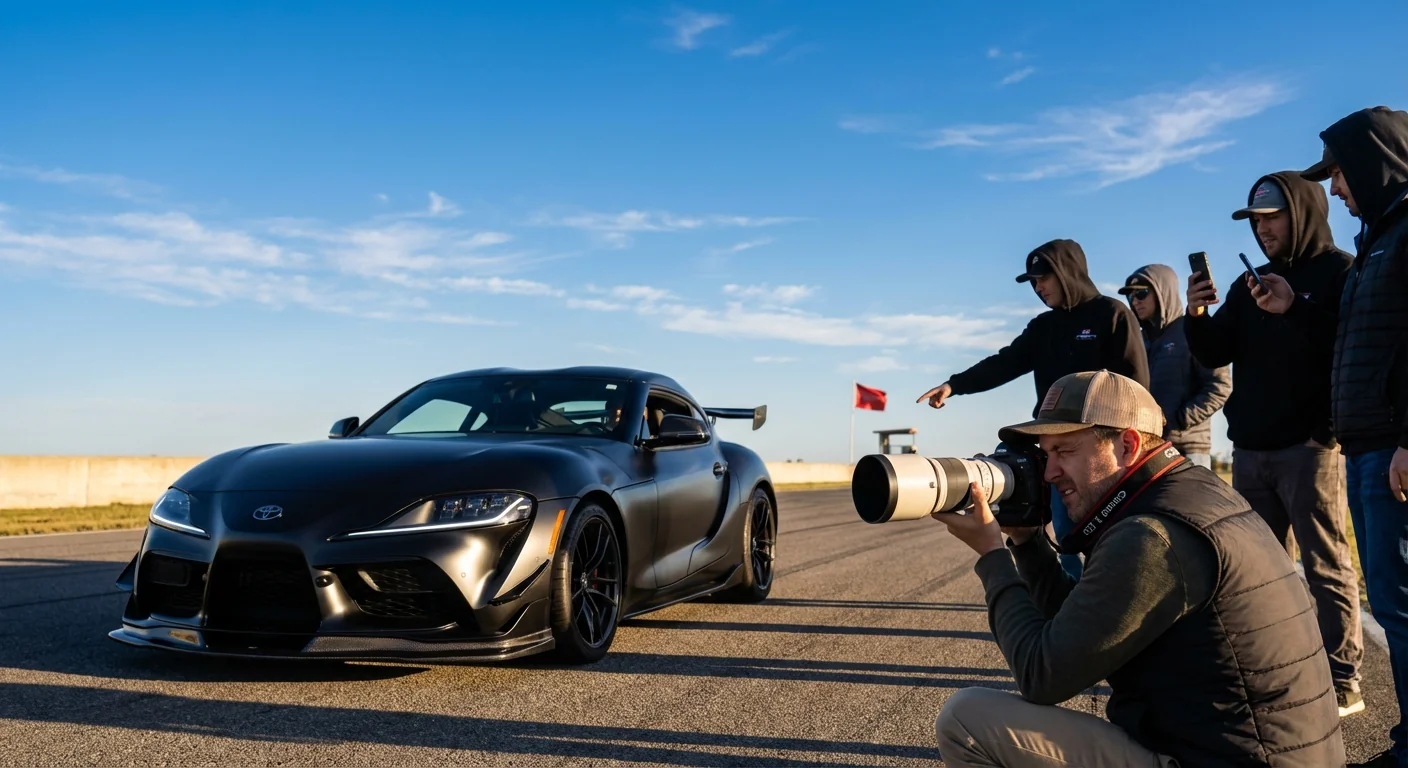
Let’s separate the noise from the notes. As of now, Toyota has not officially confirmed a “GR GT.” There’s no launch date, no press release, no public reveal. The buzz is built from three sources: renders, breadcrumb filings, and spy-style sightings. Here’s what those actually mean.
The Render Wave
Designers on Instagram and YouTube have been busy. Wide haunches, long hood, ducktail spoilers, and GR-signature grille cues are common across the best concepts. Many pull from Toyota’s endurance racing look, with slim LED signatures and aero channels that scream downforce. Some riff on Lexus LC proportions. Others overlay Supra bones with GT elegance. Renders are hype machines. They set expectations. But they are not proof.
That said, they reveal the vibe people want: a proper touring coupe with track-ready chops. Low-slung, long-distance glam. Clean lines. A big stance that reads “flagship,” not “fast trim.”
Trademark Breadcrumbs
Trademark chatter happens every time a brand tests a name. It doesn’t always lead to a car. Companies file names for future use, protective reasons, or just to park an idea. Posts citing GR-related filings have kicked the rumor into gear. They suggest Toyota is locking down options. But names alone are not a green light. The actual product could differ, or never see daylight.
Spy Shots and Dealer Whispers
Camo cars get everyone in their feelings. A couple of recent clips show what looks like a long-hood, 2+2 coupe near test facilities. The silhouette is grand-tourer coded. Could it be Lexus? Could it be a Toyota mule using Lexus underpinnings? Both are possible. Dealer chatter adds spice. A few posts hint at a “GR flagship” in the pipeline. But dealer teasers can be half true, quarter-told, or just futurecasting to build a waitlist.
Bottom line: there’s smoke. Not full fire. The pattern matches how GR cars have bubbled up in the past — quiet signs, then a teaser, then a reveal. If Toyota is timing a move, they’re letting the internet heat the pan first.
No official confirmation yet. Take every “leak” with a salt rim. Hype is not a spec sheet.
Does a GR GT Make Sense for Toyota?
Short answer: yes. Longer answer: it lines up with Toyota’s playbook and the market window.
The GR Playbook So Far
Toyota used GR to rebuild its performance rep, and it worked. The GR Yaris showed that clever engineering beats raw size. The GR Corolla brought that magic to a global audience. The GR Supra rebooted a legend with real pace. These cars share a formula: motorsport roots, real hardware, and fun-first tuning. A GT would extend the circle. Instead of pure track rat, it would be the brand’s style-forward, long-haul weapon. A statement car. The one you spot at a valet line and do a full double-take.
Toyota also has range. Their endurance racing program gives them hybrid and aero know-how. Their Lexus arm gives them luxury chops and GT-friendly platforms. Combine those, and a GR GT sounds less like a fantasy and more like a plan.
Where It Could Fit and Who It Would Face
In the lineup, a GR GT would sit above Supra in price and prestige. Think flagship energy, possibly limited-run. It would bump elbows with premium GTs:
- BMW M4 and 8 Series performance trims
- Mercedes-AMG GT and SL
- Porsche 911 and Cayman GTS
- Lexus LC and potential successor
This group isn’t about cheapest lap times. It’s about balance. Daily drivable performance. High-speed stability. Long-range comfort. And design that makes people stare.
Toyota bringing a GR-badged GT would also be a flex against old assumptions. For years, “Toyota” meant safe, reliable, beige. GR flipped that script. A GR GT would glue it in place, no cap.
Plausible Powertrains and Tech, No Cap
No one outside Toyota knows the final setup. But we can make educated guesses based on Toyota and Lexus parts bins, racing projects, and industry trends. Electrification is the meta now. Even performance brands are blending gas and electrons for speed and efficiency. Here are three likely paths.
Scenario 1: Pure Combustion Heat
There is still space for a gasoline-only GT. A twin-turbo V6 or a tuned straight-six could deliver that classic throttle feel and sound. Toyota already works with a sweet 3.0-liter inline-six in the Supra ecosystem. They also have turbocharged V6s and strong automatic transmissions across their lineup. A pure-ICE GR GT would appeal to purists who hate battery weight and want max theater.
The challenge is emissions rules and brand optics. Toyota is vocal about multi-path decarbonization. A gas-only halo car might need very smart engineering to pass global regs. It would need cylinder deactivation, trick combustion, lightweight materials, and a clean exhaust game.
Scenario 2: Hybrid Punch
Hybrid is the most plausible move. Toyota does hybrids in its sleep. From Prius to performance prototypes, the company knows how to mix torque fill with real-world range. A GR GT hybrid could use a turbocharged engine up front with electric assist for instant shove. It could also deploy an e-axle in the rear for all-wheel drive when needed. Think launch control that hits like a sledgehammer, with better fuel numbers than a pure V8 ever could.
A hybrid also lets Toyota show off race tech transfer. Their Le Mans program uses a hybrid system for brutal acceleration out of corners and energy recovery at speed. Translate that to a road GT, and you get smooth, quick, repeatable performance that doesn’t fade when the road gets long.
Scenario 3: Partial EV or Hydrogen Wild Card
Toyota is testing hydrogen combustion in racing, and it has EV tech in development, including advanced batteries. An all-electric GR GT is less likely right now, but a plug-in hybrid with meaningful electric-only range is very possible. Great for quiet city cruising. Then flip to “GR Mode” for the full send.
Hydrogen is the true wild card. It’s cool science. Loud, clean-ish, and unique. But infrastructure is thin, and the path to mass-market GTs on hydrogen is complicated. If hydrogen shows up at all, expect a prototype or track-focused variant, not the main model.
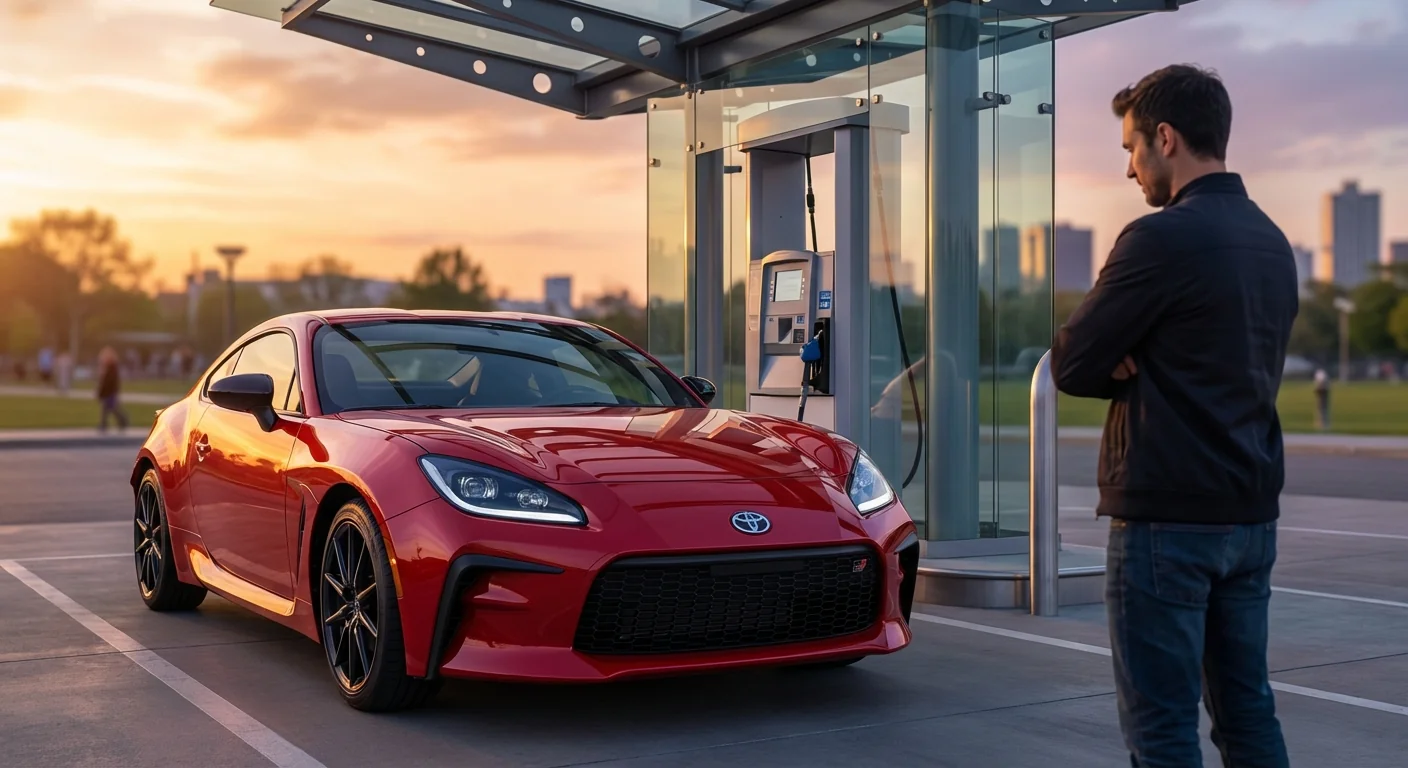
Watch how Toyota talks about “sports electrification.” If they start teasing hybrid torque fill, e-axles, or race-derived battery packs, a GR GT hybrid is basically winking at you.
Design and Interior Vibes We Could See
A GR GT would need to look like a leader, not a trim package. That means a long hood, a tight cabin set back toward the rear, and strong hips over the rear wheels. Expect real aero. Functional vents. A clean, modern DRL signature. Not a cosplay of classic Supras, but subtle nods are fair. The car should read fast even when parked.
Inside, a proper GT has to be comfy without going soft. Bolstered seats that still feel good at hour three. A dash design that puts key info high and easy to read. Big paddle shifters. A steering wheel that keeps track buttons off clutter. And actual storage for a weekend bag, not just a flexy rear shelf.
You can also expect GR’s current cockpit mood: race fonts, drive-mode clarity, and a tech stack that focuses on driving first. That means a great HUD, crisp cluster graphics, and limited lag. Bonus points if Toyota gives the cabin audio just enough bass to make the engine note feel bigger than life, without sounding fake.
Here are four design moves that feel on-brand for a GR GT:
- Two-tone aero elements that read “motorsport” but stay tasteful
- Slim, full-width rear light bar with GR signature animation
- Forged wheels with brake cooling voodoo and paint that handles heat
- A ducktail or active rear wing that deploys with speed, not drama
Platform Clues: What Could Be Underneath?
This is where Lexus might enter the chat. Toyota and Lexus share platforms where it makes sense. A grand tourer needs a strong, stiff chassis that handles big torque and high-speed stability. Lexus has experience building GT-grade frames and suspensions. A GR GT could be a cousin to a Lexus coupe under the skin, then tuned by Gazoo Racing for sharper steering, stiffer bushings, and track-durable cooling.
If Toyota goes bespoke, the cost rises. But it also frees them to prioritize weight and balance. Carbon-intensive parts could keep mass down. Aluminum subframes, composite body panels, and a heavy focus on aero efficiency would track with a halo mission.
Either way, cooling will be a major theme. GT driving creates long periods of high load. That means front intakes for radiator and charge coolers, brake ducting that actually works, and underbody tunnels that keep wake clean.
The Driving Character: GT First, GR Always
This car, if real, must do both: comfort and chaos. That’s the GT trick. On a highway, it should be calm, with a stable ride and a planted feel in crosswinds. In the canyons, it should rotate predictably and stay playful without constant correction. Adjustable dampers will be a must. Three or four drive modes that actually change the car’s soul, not just the screen colors. A true “GT” mode should smooth throttle mapping and soften shifts. A “GR Track” mode can open the exhaust, tighten steering, and let the rear step out when asked.
Steering should be quick but not twitchy. Brakes should be huge but friendly, with a pedal that’s easy to modulate in traffic and in trail-braking moments. The transmission will likely be an advanced automatic with rapid shifts and smart cooling. A manual could be a unicorn option, but don’t count on it. The market for manual GTs is niche, even if the internet swears it’s not.
What It Would Mean for Enthusiasts and the Market
If Toyota launches a GR GT, it would shake things up. The segment has been dominated by legacy brands. BMW, Mercedes-AMG, Porsche, and a few exotic players. A Toyota halo car threatens to undercut with value while matching performance. That is scary for rivals. Toyota can price-aggressively, service widely, and bring bulletproof reliability to a space that sometimes treats maintenance like a personality trait.
For GR fans, it also creates a ladder. Start with a GR86. Step to a Supra. Graduate to GR GT. That kind of brand gravity keeps owners in the ecosystem. It also pushes dealers to build better GR experiences, from track days to allocation fairness. Hopefully.
There is a risk. If the GR GT is priced too high or arrives too late, it could get stuck in the middle. The bar is high. AMG GT and 911 don’t miss. Toyota has to bring character, not just numbers. Sound, feel, design, and story. The whole aura.
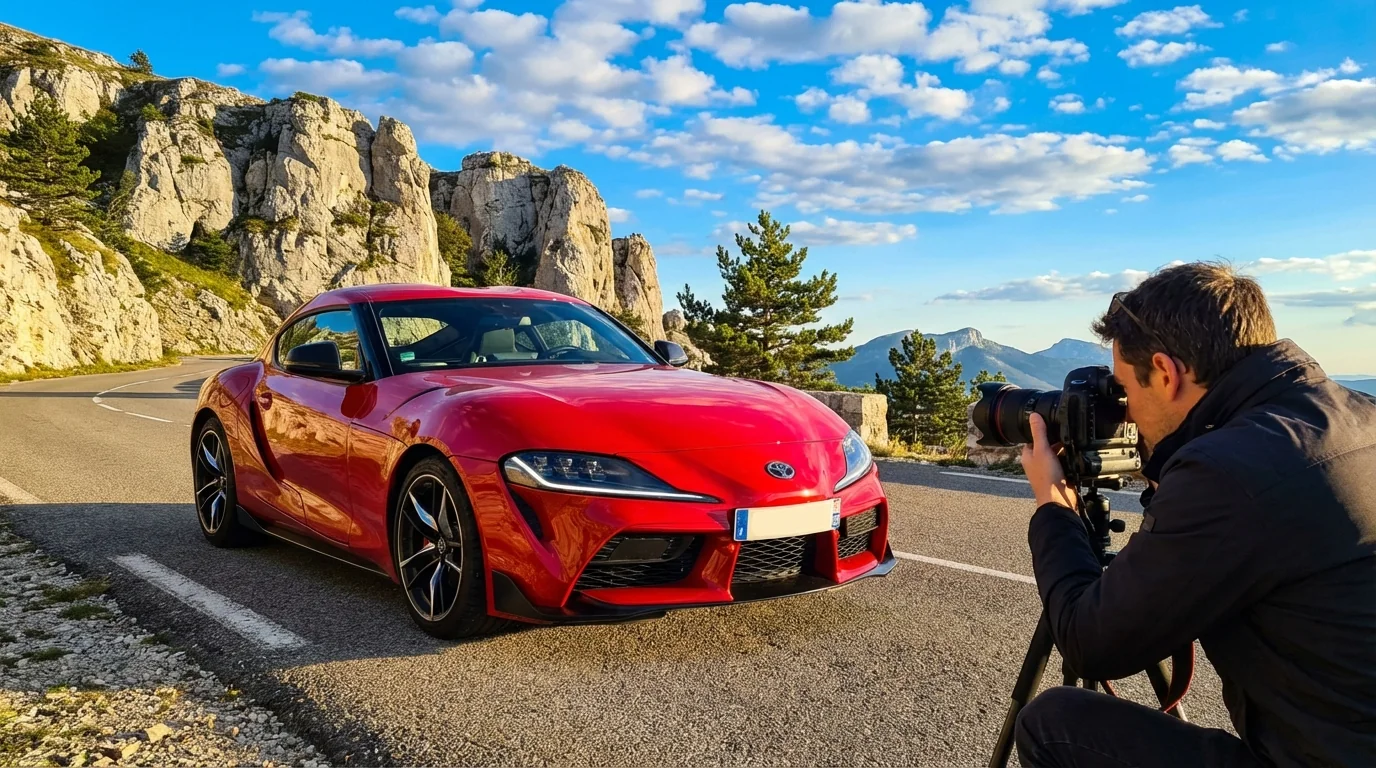
The best GR cars win because they’re fun. Not just fast. A GR GT has to keep that energy, even while going premium.
How Likely Is It, Really?
Let’s rate the probability. Given Toyota’s momentum, the trademark chatter, and the market gap, a GR GT feels more likely than not in the next cycle. The brand has the tech, the platforms, and the appetite. They also have endurance-racing star power to lend credibility. The main question is timing and format. Hybrid is the safe bet. A limited-run first edition would build hype and allow Toyota to fine-tune without going all-in.
If you’re betting, bet on a teaser before a full reveal. That’s how GR likes to play. Expect mysterious lighting, engine rev clips, and a lap-time tease with no context. Classic.
How To Read the Next Leak Without Getting Burned
The rumor mill is not going to slow down. When the next “GR GT confirmed” post pops up, do a quick vibe check.
- Is it an official Toyota or GR channel? If not, chill.
- Do multiple reputable outlets report the same details? Good sign.
- Are the images obviously renders? Screenshots lie. Look for reflections and lighting tells.
- Does the claimed engine or power figure match Toyota’s real parts bin? Plausibility matters.
These steps will save you from reposting a fan-made concept as “breaking news.” Nobody wants that ratio.
Frequently Asked Questions
Q: What is the Toyota GR GT supposed to be?
A: The GR GT is a rumored grand-tourer from Toyota’s Gazoo Racing division. Think long-distance comfort with serious performance. It would sit above the GR Supra as a flagship coupe, possibly limited-run, and tuned for both road and track.
Q: Has Toyota confirmed it?
A: Not yet. There’s no official announcement. The buzz comes from social chatter, renders, possible trademark activity, and camo-car sightings that may or may not be related. Until Toyota posts a teaser or press release, it’s not official.
Q: What engine would it have?
A: Unknown. A hybrid setup is a strong bet, pairing a turbocharged engine with electric assist for instant torque and better efficiency. A pure gasoline option is possible but less likely long-term. A plug-in hybrid could also make sense for urban flexibility.
Q: Will it be based on a Lexus platform?
A: It could be. Toyota and Lexus share platforms for efficiency and performance. A Lexus-grade GT chassis with GR tuning would be a logical move. But that’s educated guessing, not confirmation.
Q: How much would it cost?
A: Expect more than a GR Supra, which already sits in premium territory. A GR GT would likely start well into luxury performance pricing. The exact number depends on powertrain and production volume. Limited editions always cost more.
Q: Who would it compete with?
A: BMW M4 and 8 Series performance trims, Mercedes-AMG GT and SL, Porsche 911 and Cayman GTS, and even Lexus LC. That’s the GT zone. Fast, comfortable, and gorgeous.
Q: When could it launch?
A: No dates are confirmed. If Toyota follows past patterns, look for a teaser months before a reveal, then a staggered launch by region. Keep an eye on major auto shows and GR-branded events.
Q: Manual or automatic?
A: A high-performance automatic is most likely. Manuals are beloved but rare in GTs. If a manual comes, it would be a niche variant or a later special.
Conclusion
The Toyota GR GT rumor hits because it makes sense. GR has the momentum, Toyota has the tech, and the market has room for a fresh, reliable, no-drama halo coupe that still slaps on a Sunday morning backroad. Right now, it’s all smoke and profile pics. Renders paint dreams. Trademarks whisper. Camo cars tease. But the logic adds up. A GR GT would be the grown-up GR — the one that carries the brand’s racing soul across states and seasons, then turns into a weapon when the road gets twisty.
If Toyota builds it, expect hybrid brains, GT brawn, and GR heart. Expect a car that does 500 miles like a chill podcast, then crushes a track day without begging for mercy. Most of all, expect a statement: Toyota isn’t just back in performance. They’re ready to lead, again. Until the official drop, keep your feed clean, your expectations smart, and your notifications on. This one could be worth the wait.
