
Tiny Cars Are Having a Big Moment — And Gen Z Is Driving
Blink and you might miss it. That little two-seater zipping past traffic, sliding into a parking spot the size of a yoga mat. Tiny cars are popping off on city streets and feeds alike. Think micro EVs, quadricycles, and neighborhood cars that look almost toy-like, but make running errands feel like a video game. Search interest for “tiny cars” spiked hard in the last day, and it’s not just a random blip. It’s a vibe shift. People are asking a simple question: do we really need a full-size SUV to get a matcha and a pack of bagels?
Tiny cars won’t replace every ride. They’re not for road trips or flexing at the gas station. But for dense cities and tight budgets, they’re getting real. Soft launches. Pilot fleets. TikToks from people who finally parked stress-free. The trend is more than cute content. It’s a serious answer to congestion, climate rules, and the rising cost of driving. And yeah, they’re fun. Like, actually fun. 😌

What Counts as a “Tiny Car,” Exactly?
Let’s clear up the vocab. “Tiny car” isn’t one single category. It’s a family of ultra-compact rides designed for city life. Most are electric. Many are technically classified as quadricycles or neighborhood EVs, which means they’re lighter, slower, and cheaper than traditional cars. They focus on short trips, easy parking, and low running costs.
You’ll see a few types out there. Some look like shrunk-down hatchbacks with two doors and two seats. Others are minimalist pods with windows and a bench. Some have doors, some lean more open-air. Most top out at city speeds, not highways. Range is usually measured in tens of miles, not hundreds. And the vibe is different too. These are tools for everyday mobility, not status symbols.
If you’ve seen Japan’s kei cars, you get the energy. Compact footprint, clever interior, and a design language optimized for doing life in tight spaces. But even smaller. Like “park perpendicular to the curb” small. That’s the point. Make cities feel bigger by shrinking the car.
Tiny cars sit in a weird, interesting space between e-bikes and traditional cars. E-bikes are nimble but exposed to weather. Full-size EVs are capable but expensive and bulky. Tiny cars promise a sweet spot: shelter, storage, and a plug-in powertrain, without the weight and cost of a full car. That’s why curiosity is surging. People want options.
Why Tiny Cars Are Trending Right Now
This isn’t hype for hype’s sake. A few forces lined up fast, which explains the sudden spike in searches and social chatter.
Cities are more crowded than ever. Commutes are slower. Parking is stressful. Streets are getting redesigned for lower emissions and lower speeds. At the same time, full-size EVs are still pricey for a lot of young buyers. Tiny cars hit different. They use a fraction of the battery size, charge fast, and don’t require huge garages. For urban life, that combo slaps.
Policy is also a big driver. Low-emission zones are spreading. Some cities are offering parking discounts for smaller, cleaner vehicles. Car-free blocks are expanding. When the streets change, vehicle choices change too. Micro EVs fit perfectly into that puzzle. They shrink the footprint without killing the convenience.
Then there’s the culture. TikTok and Insta are full of “city hack” content. The best hacks are practical and aesthetic. Tiny cars check both boxes. You see creators stacking groceries in a trunk the size of a mini fridge, then squeezing into a space that would make a scooter jealous. People are curious because it looks doable. It looks affordable. It looks cute. The algorithm loves a glow-up.
Finally, automakers and startups are experimenting again. This isn’t the first time micro cars had a moment, but the timing is better now. Batteries are cheaper. Urban mobility debates are louder. Shared fleets can spread costs and collect data. Together, that adds up. Not one breaking headline, but a wave of small moves that feel like a trend.
How Tiny Cars Work in Real Life
Picture this. You have class or work across town. You expect a 40-minute bus ride or 20 minutes hunting for parking in your old sedan. With a tiny car, you leave later, slide into a micro spot, plug in at a curb charger, and bounce. No drama. Even the errands stack neatly. Dry cleaning. Pharmacy. Pick up a friend. The little pod just… fits.
Tiny cars are all about short hops. Most keep their speed under typical city limits. That makes them chill to drive, even if you’re new. Steering is light. Braking is simple. Tech is basic, but increasingly polished. Some models include phone mounts, app connectivity, and heated cabins. It’s not luxury, but it’s cozy.
Charging is a non-event if you plan well. Many tiny EVs use standard household outlets for slow charging. You plug in at night, then wake up to a “full tank.” If your building has shared outlets or a garage plug, you’re golden. Public chargers help too, especially the slower, cheaper ones. Battery sizes are small, so even a short session tops you up.
The biggest win is space. Micro footprints unlock parts of the city you normally avoid. You’ll actually say yes to a café on a narrow street. You won’t fear parallel parking. Your stress level drops. And yes, you’ll get looks, because these cars are conversation starters.
- Where tiny cars shine:
- Short urban commutes and campus life
- Grocery runs and small IKEA trips
- Rainy-day alternative to bikes and scooters
- Car-sharing fleets in dense neighborhoods
- Secondary “home base” car for households
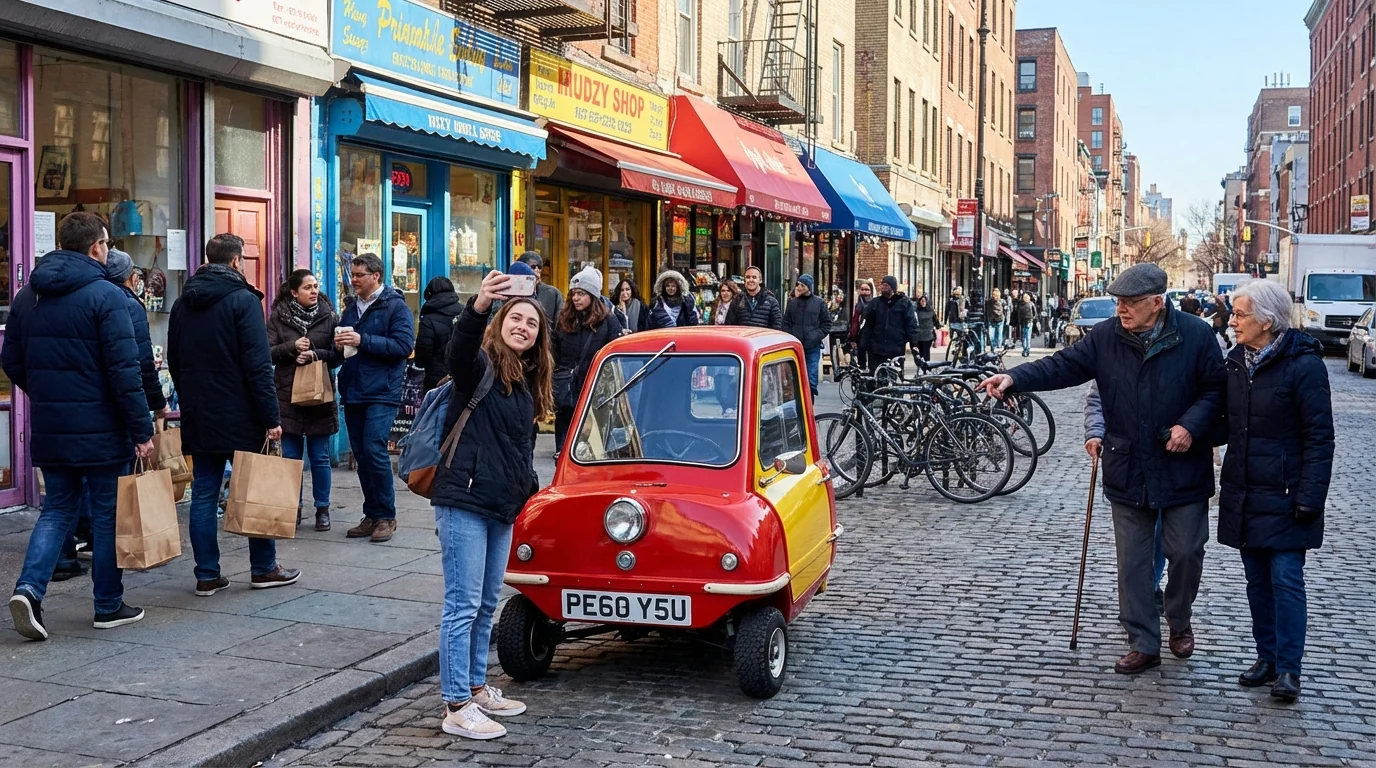
If you’re tiny-car curious, map your real week. Count your average miles, typical top speeds, and where you park. Most people overestimate their daily needs. If your life fits within 30 to 50 miles a day, tiny might be mighty.
Costs and Charging, Simplified
Money matters. Tiny cars often cost less upfront than full EVs. Because they’re lighter and simpler, maintenance is lower too. No oil changes, fewer moving parts, smaller tires. Insurance can be cheaper, depending on your area. Electricity costs beat gas in most cities, especially if you charge off-peak.
Charging is location-dependent. If you live in an apartment, talk to building management about outlet access in parking areas. Some cities offer curbside Level 2 chargers. Tiny cars don’t gulp electrons. Even a few hours can add a day’s worth of driving.
If you absolutely cannot charge at home, check car-sharing options. Many fleets rotate vehicles through charging hubs. You pay for the ride, not the plug. That’s a clean way to live micro without changing your building’s wiring.
The Tradeoffs: Safety, Speed, and Street Rules
Here’s the honest part. Tiny cars aren’t for everything or everyone. They are light and small, which affects comfort and crash protection. They’re amazing for city cores, but you need to respect their limits.
Safety depends on the model, the roads you drive, and your habits. Some tiny cars include basic airbags and stability control. Others have minimal protection, more like a reinforced scooter with a shell. Follow posted speed limits, pick calmer routes, and keep distance from heavy traffic when you can. Smart driving matters more with smaller vehicles.
Speed and range are the other big tradeoffs. Most tiny cars are not highway-ready. Some are legally restricted from high-speed roads. Range is fine for daily hops, but not built for long journeys. You’ll plan a little more. You’ll also save a lot more. That’s the exchange.
Regulations are messy. Different countries, states, and cities have different rules for quadricycles and neighborhood EVs. Licensing can vary. Road access can vary. Some places require a driver’s license. Others don’t. Some allow them on 35 mph roads only. Others are stricter or more flexible. Know your local rules before you commit.
Do not treat a tiny car like a highway car. Check your local regulations on top speeds, road access, and licensing. Use routes that match the vehicle’s limits, and make yourself visible with lights, signals, and defensive habits.
Weather is another factor. Most modern tiny cars have heat, wipers, and sealed cabins. But they’re still lighter, which can feel different in wind or heavy rain. Test drive in the weather you actually face. If winters where you live are rough, choose models with good tires and traction aids.
Noise and comfort are fine for short trips. Longer rides can feel buzzy. Again, that’s the point. These cars are city tools, not road trip pods.
The Industry’s New Experiments
The current wave isn’t just quirky startups. Big names and city planners are paying attention. Automakers that once ignored micro EVs are testing ultra-compact concepts again, especially in Europe and parts of Asia where dense living is the norm. Low-speed quadricycles are getting polish and personality. You’ll see brighter color palettes, modular interiors, and app-first dashboards.
Startups are moving fast too. Many are building vehicles specifically for shared fleets and delivery. Removable batteries are showing up in some models, which simplifies charging for operators. Urban logistics is a major use case. Instead of vans, think tiny EVs doing last-mile drops without blocking bike lanes.
Shared mobility operators are adding micro EVs to their mix. Car share used to mean compact sedans. Now it can include tiny cars you unlock with your phone, then park in designated micro bays. It makes fleet turnover faster. It makes street parking less chaotic. And it lets a city test how much space it can save.
Cities are quietly enabling this shift. Some are rolling out “micro spots” that fit two tiny cars where one regular car would go. Others are reducing parking fees for ultra-compact EVs. A few are piloting low-speed lanes separated from high-speed traffic. None of this is universal, but the experiments are multiplying. Data beats debate.
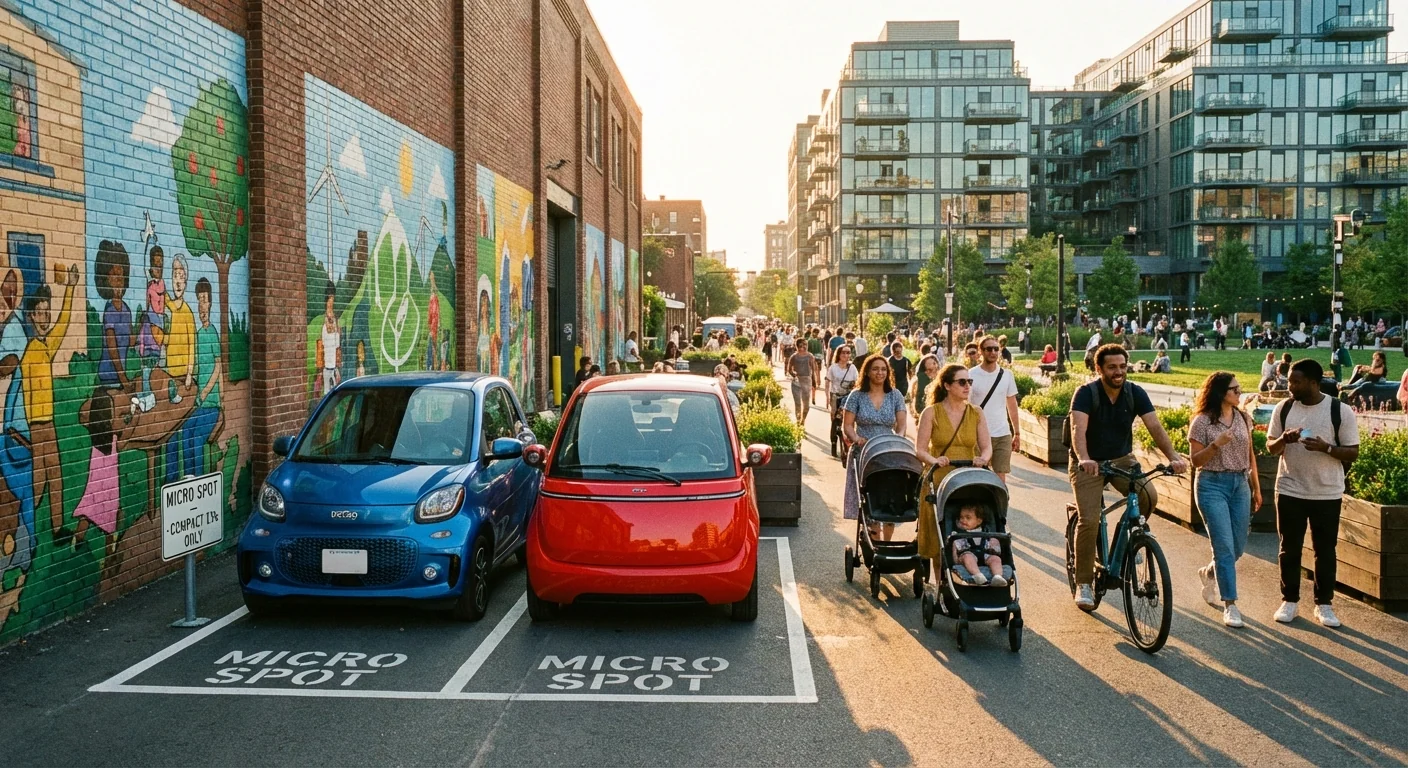
The design language is evolving too. Early micro cars looked like cute boxes. The new wave leans into identity. Some are playful and soft. Some are edgy and cyber-ish. Some feel like rolling streetwear. That matters. People want mobility to be fun and personal, not just efficient. Tiny cars succeed when they nail function and vibe.
Can Tiny Cars Go Mainstream?
The big question: is this a niche or a movement? The honest answer is both, depending on where you live.
In dense cities, tiny cars can scale. They match policy goals and people’s budgets. If charging keeps expanding and parking policies favor smaller footprints, adoption can jump. They’re perfect for second-car households that want a low-cost urban runabout. They’re also strong candidates for students, freelancers, and small delivery teams. In these zones, tiny cars can feel like the default, not the exception.
In sprawled suburbs and highway-heavy regions, the fit is tougher. Longer trips are normal. Speed limits are higher. Parking isn’t as scarce. Tiny cars still work as a second vehicle, but they won’t replace the main one. The use case is a slice, not the whole pie.
Two things could push tiny cars closer to mainstream across the board. First, safety tech scaled to micro form factors. Think better crumple zones, more airbags, smarter software. Second, smart infrastructure. Dedicated low-speed corridors, abundant curb charging, and incentives for vehicles that take up less space. Those changes help everyone, not just tiny cars, but micro EVs benefit first.
Culture will decide the rest. If tiny cars keep showing up in cool ways, they win mindshare. If they feel dorky or inconvenient, they stall. So far, the energy is positive. People want mobility that respects their money, their time, and their city’s air. Tiny cars send that message with a grin.
Tiny cars aren’t just cheaper to buy. They’re cheaper to store. Parking fees, residential permits, and even private garage rates can drop for smaller vehicles in some cities. Space is money.
How to Try One the Smart Way
Curious but cautious? Here’s a simple path to test the vibe without committing your savings.
- Book a shared micro EV for a week’s worth of errands. Track how many miles you drive and how often you charge.
- Test it in your real routes at your real times. Morning commute, grocery run, late-evening pickup.
- Check your local rules on road access and licensing. Confirm parking options at home and work.
- Run the costs. Compare monthly payments, insurance, charging, and parking to your current ride or ride-hailing spend.
If the numbers and the experience align, go deeper. If not, no worries. You learned what you need.
The Culture Shift: Smaller Can Be Cooler
Gen Z already changed how we think about ownership. We rent, share, and swap. We value access and experience. Tiny cars fit that life. They’re low pressure. They’re easy to personalize. They let cities breathe. And they pair well with bikes, transit, and walking. Mobility becomes a portfolio, not a single big bet.
There’s also a sustainability flex. Moving a one-ton vehicle to carry one human is wild when you really sit with it. Tiny cars cut the weight and energy by a lot. They reduce emissions in cities where clean air is literally a health issue. Choosing smaller isn’t about sacrifice. It’s about being smart, stylish, and future-ready.
Will you see micro EV meetups? Absolutely. Stickers, wraps, mini mods. Pop-up charging socials. Makers building cute interior hacks with 3D-printed clips. The community piece is already bubbling up online. That’s how movements scale. Not top-down, but through people making it fun.
- What tiny cars are not:
- Highway cruisers
- Heavy haulers
- Status symbols for size
- All-weather beasts without prep
That’s okay. The best tools do a few jobs beautifully. Tiny cars are optimizing for urban life, where most of our trips already live.
Frequently Asked Questions
Q: Are tiny cars safe?
A: Safety varies by model and by how and where you drive. Many micro EVs include basic protection like seatbelts, lights, and sometimes airbags and stability control. They’re built for lower speeds and city streets. If safety is your top concern, test models with stronger safety features, choose calmer routes, and check local crash and equipment standards.
Q: Can I take a tiny car on the highway?
A: Usually no. Many tiny cars are restricted to lower-speed roads by design or by law. They’re optimized for city limits and short trips. Always check your local rules, and use routes that match the vehicle’s top speed.
Q: How far can they go on a charge?
A: Expect tens of miles, not hundreds. Range depends on battery size, temperature, and how you drive. For most urban routines, that’s plenty. Plan to charge at home overnight or top up at slow public chargers during the day.
Q: What license do I need?
A: It depends on where you live and how the vehicle is classified. Some regions treat them like cars and require a standard license. Others classify them as quadricycles or neighborhood EVs with different requirements. Check your city and state rules before buying or subscribing.
Q: How much do they cost to run?
A: Operating costs are typically low. Electricity is cheaper than gas in many places. Maintenance is light because there are fewer moving parts. Insurance can be lower too, depending on your area and the vehicle class. Always get quotes to compare against your current setup.
The Bottom Line: Right-Size Your Ride
Tiny cars are trending for a reason. They make urban life easier, cheaper, and a little more joyful. They aren’t everything to everyone. They won’t crush a cross-country trip. But they crush errands. They crush parking. They crush the anxiety of owning a giant machine for tiny tasks.
If you live in a dense city, they deserve a real look. Try one. Run the math. See how it changes your routine. The future of mobility isn’t about bigger batteries or bigger bodies. It’s about smarter fits. Tiny cars prove that smaller can be smarter, cooler, and kinder to your wallet and your city. That’s a vibe worth backing. 🚗✨