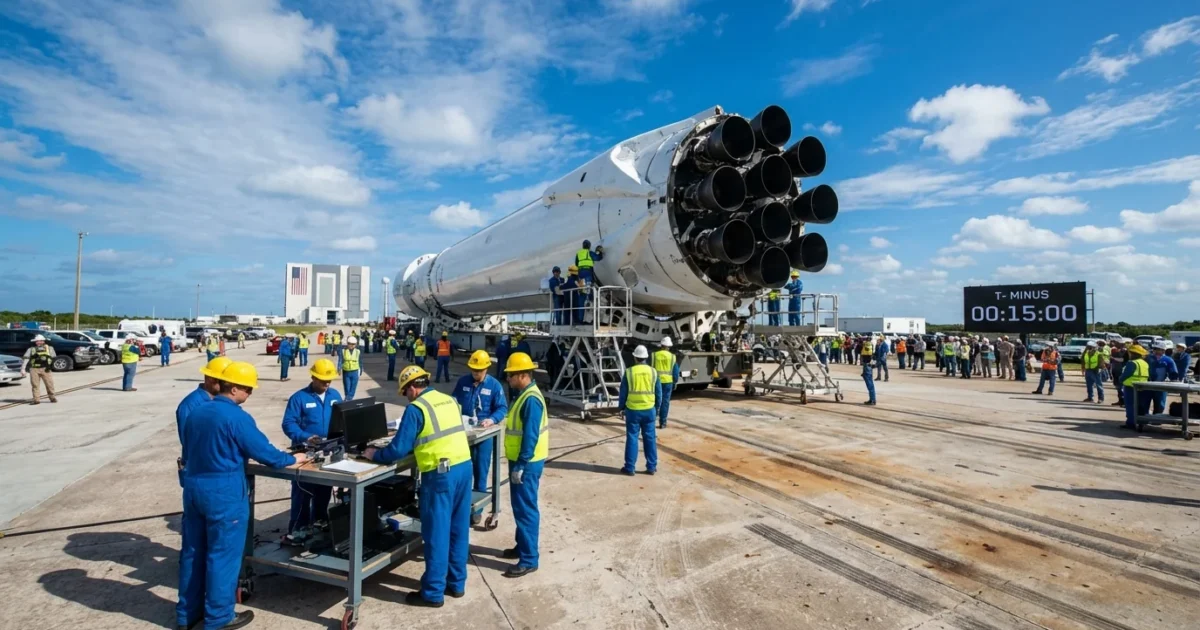
SpaceX just smashed back into your feed, and the vibes are loud. Whether it was a late-night Starship test clip, a clean Falcon 9 stack of Starlink satellites, or fresh tea about the company’s valuation, the internet did what it does. It spiraled. If your group chat is asking “Wait, what does this actually mean?” you’re in the right place. Here’s the breakdown of what likely triggered the spike, why it matters, and what’s coming next for the company that made reusable rockets part of the weekly routine.
What Just Happened, and Why Everyone’s Googling SpaceX
SpaceX doesn’t trend for nothing. The company basically lives at the intersection of rocket launches, regulatory drama, and money headlines. That means when “SpaceX” starts climbing search results, one of a few things usually happened: a Starship test window opened and people tuned in, a Falcon 9 launch dropped more Starlink satellites into orbit, the FCC or FAA signed off on something big, or there was new chatter about how much the company is worth.
Right now, the buzz is likely a combo of launch clips and valuation talk. The algorithm loves a shiny explosion or a perfect landing. Starship test footage with those massive stainless steel vibes will always nuke the timeline. Falcon 9 missions, while almost routine, keep stacking hype because 1) the cadence is ridiculous and 2) Starlink affects actual daily life. Meanwhile, investor rumors about SpaceX’s valuation tend to go viral because the numbers sound unreal. It’s giving “is this the first real space tech monopoly?” energy.
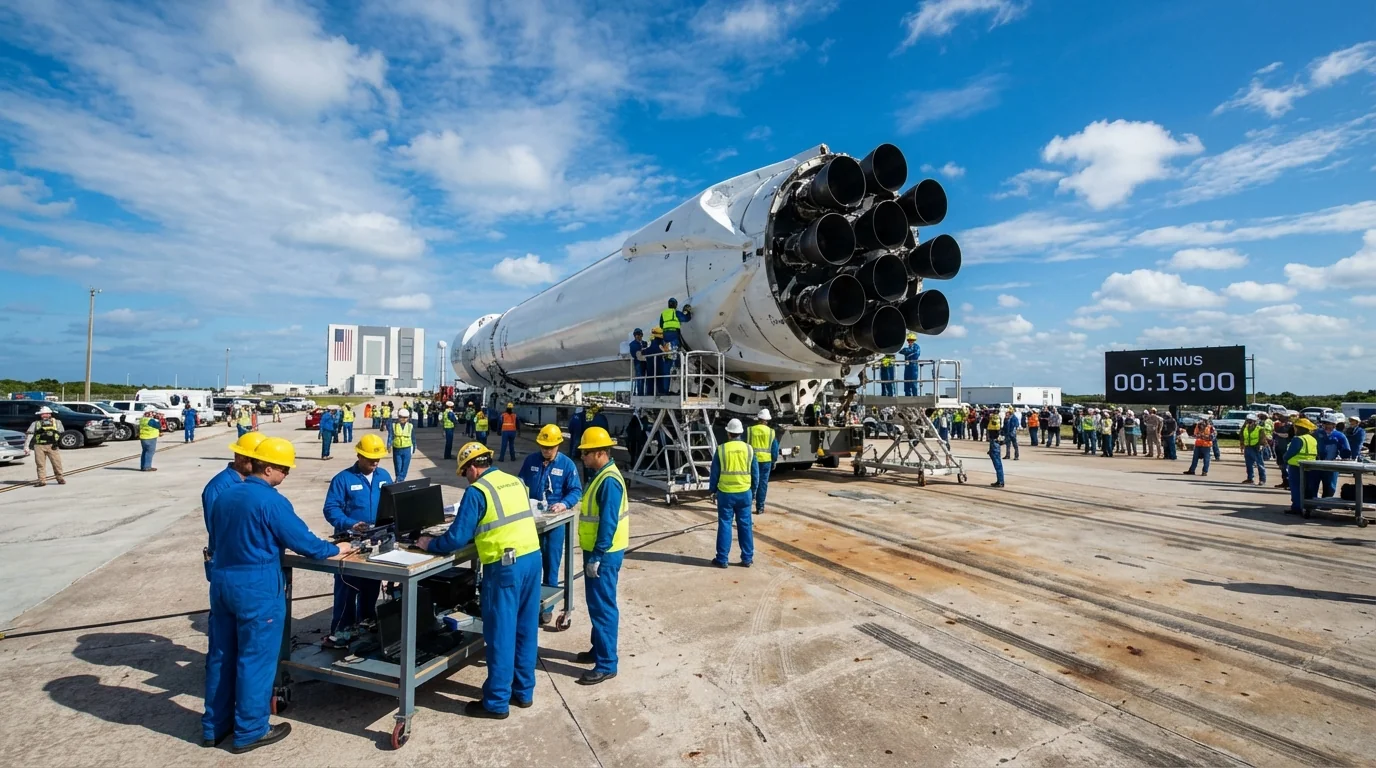
Here’s the real headline: whether the trigger was a launch, a license, or a funding rumor, the outcome is the same. SpaceX is tightening its grip on three arenas that matter: reliable access to space, the world’s biggest commercial satellite network, and the next-gen launch system that could change the economics of everything off-Earth.
A Quick Pulse Check
Over the last day or two, you probably saw a neat burn and landing clip, a Starlink coverage map update, or a headline saying the company’s private valuation may have hit another record. None of those are random. Each one is part of a strategy: fly often, scale Starlink fast, and fund Starship until it’s fully reusable. The result is momentum that looks unstoppable, even when the tests aren’t perfect.
SpaceX 101: The Stack Behind the Hype
Let’s decode the core pieces so you can read every SpaceX headline like a pro.
Falcon 9 is the workhorse. This rocket made booster reuse boring in the best way. The first stage comes back, lands on a drone ship or on land, and then flies again. That means cheaper launches. That means more satellites, more missions, more data. And it’s the reason SpaceX can launch so often without bankrupting anyone.
Dragon is the capsule that takes cargo and crew to the International Space Station. If you saw the first American astronauts launching from U.S. soil again in 2020, that was Crew Dragon. It brought human spaceflight back to the private sector and gave NASA a reliable ride while other options were delayed.
Starlink is the satellite constellation beaming internet to Earth. The dish is a little UFO-looking unit, and the service is a lifeline in rural areas, on the move, or for places hit by disasters. For SpaceX, it’s not just a cool product. It’s cash flow that funds all the risky, expensive Starship work. Starlink launches are the heartbeat of the Falcon 9 cadence, and the network keeps growing.
Starship is the big swing. Think fully reusable, super heavy-lift, deep space flights. This is the rocket Elon Musk wants to use to reach the Moon, Mars, and maybe beyond. Starship tests are messy, loud, and extremely online. But every test is data. And every data point pulls the industry closer to rockets that behave like airplanes: land, refuel, go again.

Rocket schedules are vibes, not promises. Testing is risky. Expect delays, mid-flight surprises, and quick pivots. That’s not failure. That’s literally how aerospace evolves.
Why It’s Trending Today: Mapping the Trigger to the Impact
Because SpaceX’s name pops for different reasons, here’s how each trigger changes the game in ways that actually touch your life.
If it was a Starship test
Everyone’s eyes are on the big stainless steel beast. A clean ascent, staging, and controlled descent tells regulators that the system is maturing. That can unlock future test approvals. It also tells customers that heavy lifts could soon be cheaper and more frequent. For the industry, a reusable heavy rocket would be an earthquake. It breaks the old price models and raises the bar for what’s possible in a single launch.
For you, it means the tech behind future Moon missions, massive space telescopes, and even Mars cargo trips is inching forward. For competitors, it’s a reminder that catching up to fully reusable rockets isn’t just hard. It’s existential.
If it was a Falcon 9 Starlink launch
This means better coverage, higher network capacity, and sometimes new Starlink features like direct-to-cell texting for areas without towers. For travelers, vanlifers, and remote workers, it’s huge. It also matters for governments and disaster response teams that need reliable comms anywhere, any time. Each launch upgrades the network’s resilience and reach.
What about competitors? Traditional telecoms are watching closely, especially as Starlink moves into mobile features. Satellite companies focused on niche markets now face a giant with insane launch capacity and vertical integration.
If it was a valuation headline
Private valuation chatter tends to spike when SpaceX opens a tender offer or when investors trade shares on secondary markets. The number is a vibe check on the company’s perceived dominance. Big valuation suggests investors like the math: high launch cadence, Starlink revenue growth, and Starship’s potential to rewrite costs.
For regulators, a mega-valuation company running the largest satellite network on Earth is not a chill scenario. It raises questions about space traffic, spectrum rights, and environmental impact. For customers and fans, it’s proof that the company has cash to keep pushing Starship, even if tests blow up sometimes.
Valuation rumors are signals, not guarantees. Private markets are opaque. Numbers move with hype, growth, and risk. Treat headlines like hints, not final answers.
The Valuation Buzz: What a Sky-High Number Actually Means
People love to argue over how much SpaceX is “worth.” Here’s how to decode it without drowning in finance-speak.
First, SpaceX is private. That means the price tag you see in the news comes from what investors are willing to pay for shares, often in tender offers. The number reflects a belief that SpaceX can keep launching often, grow Starlink into a global cash machine, and make Starship work. If Starship hits its goals, the runway for new business explodes: lunar landers, deep-space missions, super-size satellites, and massive cargo to orbit.
Second, Starlink is a core driver. Subscription businesses are predictable, which investors love. As coverage expands and speeds improve, the network’s value compounds. Big partnerships, like telecom tie-ins for direct-to-cell, add to the story. The more Starlink becomes part of daily infrastructure, the more investors see it as utility-grade revenue.
Third, risk is real. Starship is hard. Regulation moves slow. Space debris and spectrum fights aren’t small issues. If delays stack up or if rivals find niches where SpaceX can’t dominate, valuation hype can soften. That’s normal. The long game is still about execution, data, and iteration.

Who’s Affected Right Now: Customers, Competitors, Regulators
What’s the immediate fallout from the latest spike of SpaceX news? Let’s run it through the three key groups.
Customers: From Starlink users to satellite ops
If you’re a Starlink customer, recent launches usually mean better service. More satellites, better coverage, and upgrades like improved latency. If you’re a small satellite company, SpaceX’s rideshare missions make access to orbit cheaper and more predictable. Launch windows open more often because Falcon 9 just keeps flying. For NASA and the DoD, it means tight schedules and reliable slots for critical missions.
There’s also a vibes thing happening. The more people see rockets landing and satellites humming, the more normal space becomes. Startups plan around that. Universities design missions expecting regular rides. That normalcy flips the script for who gets to work in space.
Competitors: The pressure cooker is on
Blue Origin, ULA, Rocket Lab, and a wave of newer launcher startups all feel the heat. If the trending moment was a strong Starship test, the message is clear. Fully reusable heavy lift is not a distant dream. It’s coming. For mid-size players like Rocket Lab, the smart play is focusing on serving precise or specialized missions, while SpaceX handles heavy lifting and bulk constellations.
Traditional GEO satellite builders, telecoms, and even cloud companies are also recalibrating. If Starlink continues to eat coverage gaps and adds direct-to-cell features, terrestrial carriers will either partner up or double down on their strengths. The lines between “space company” and “internet provider” are blurring.
Regulators: FAA, FCC, and environmental groups
For the FAA, every successful test and clean recovery builds a safety case for more frequent flights. That’s the gatekeeper. For the FCC, the Starlink network raises spectrum management challenges. You can’t have a thousand companies blasting frequencies without order. And for environmental agencies and local communities near launch sites, the conversation is about noise, wildlife, and the footprint of rapid testing.
Regulators are trying to match SpaceX’s speed without losing oversight. Expect hearings, comment periods, and occasional pauses. This is the push-pull of moving fast with rockets and protecting the public interest.
The Momentum: Why Reuse Is the Cheat Code
Here’s the core reason SpaceX has such outsized gravity. Reuse changes everything. With Falcon 9 boosters flying over and over, launch cost drops and launch frequency climbs. That creates a flywheel. More launches bring more data. More data improves operations. Better operations lower cost further. At that point, competitors must either build reusable systems or embrace niche roles.
Starship is the next-level version of this loop. If both stages become reliable and reusable, mass to orbit could spike at prices that make brand-new missions make sense. Think giant space telescopes assembled in orbit, on-demand refueling depots, and rapid cargo to anywhere on Earth. Wild ideas become spreadsheets. Spreadsheets become contracts. That’s how the future sneaks up on us.
Want to follow launches without missing sleep? Turn on notifications from SpaceX’s X account or track mission calendars on spaceflight sites. For Starlink, check coverage maps in your area before ordering so you know what speeds to expect.
Near-Term Outcomes: What to Expect Over the Next Few Months
You don’t need to be a rocket scientist to see the next moves lining up. The playbook is steady: iterate, launch, upgrade, repeat. Here’s what likely comes next, depending on which trigger started the trend:
- More Starship test flights as the team iterates on staging, heat tiles, and reentry control. Expect tweaks to flight profiles and hardware between tests.
- A steady Falcon 9 cadence pushing Starlink expansions and third-party missions. Launch manifest stays busy, because that’s the revenue engine.
- Regulatory updates from the FAA and FCC tied to safety reviews, environmental filings, and spectrum rules. There will be wins and hold-ups. That’s normal.
- Starlink feature growth, including mobility upgrades and early direct-to-cell rollouts with partner carriers. Coverage improves and plans evolve.
- Possible fundraising or tender offer chatter that reflects investor appetite, driven by Starlink metrics and Starship milestones.
If you’re trying to read the tea leaves: uptime, cadence, and any sign of successful Starship reuse are the big signals. Those three are your cheat sheet for whether SpaceX keeps compounding its lead.
Frequently Asked Questions
Q: Why does SpaceX trend so often?
A: Because they launch a lot, stream everything, and their projects touch daily life. Starlink changes how people get online, and Starship is a moonshot everyone wants to watch. Mix in bold timelines and Elon-sized quotes, and the algorithm feasts.
Q: Is Starship actually close to flying operational missions?
A: “Close” in rocketry means “closer than last year, still a grind.” Recent tests show progress on staging and descent, which are huge. The path to operational missions runs through multiple test flights, data-driven upgrades, and regulatory green lights. It’s moving, and each flight matters.
Q: Will Starlink replace my home internet?
A: It depends. If you live in a city with fast fiber, that might still win on price and speed. If you’re rural, on the move, or need a reliable backup, Starlink is clutch. The network keeps improving as more satellites go up.
Q: Is SpaceX a monopoly in space now?
A: Not exactly, but they have a strong lead in reusable launch and a massive satellite footprint. Competitors still exist and win contracts, especially in specialized missions. Regulators watch this space closely to keep markets fair and space usable.
Q: What’s up with the valuation hype?
A: Private market valuations are signals about future potential. Investors think SpaceX can keep launch costs low, scale Starlink, and unlock Starship’s economics. That said, it’s still risk-on. Big engineering challenges and regulatory hurdles are part of the story.
The bottom line: SpaceX trending isn’t just about a rocket clip or a hot headline. It’s a snapshot of a flywheel gaining speed. Falcon 9 makes launches feel normal. Starlink turns space into a service you can buy online. Starship pushes the boundary of what the next decade could look like. For customers, this means better access and new options. For competitors, it’s adapt or fade. For regulators, it’s a balancing act between enabling innovation and protecting the shared sky. And for the rest of us, it’s a front-row seat to a future that’s arriving faster than we thought. No cap. 🚀