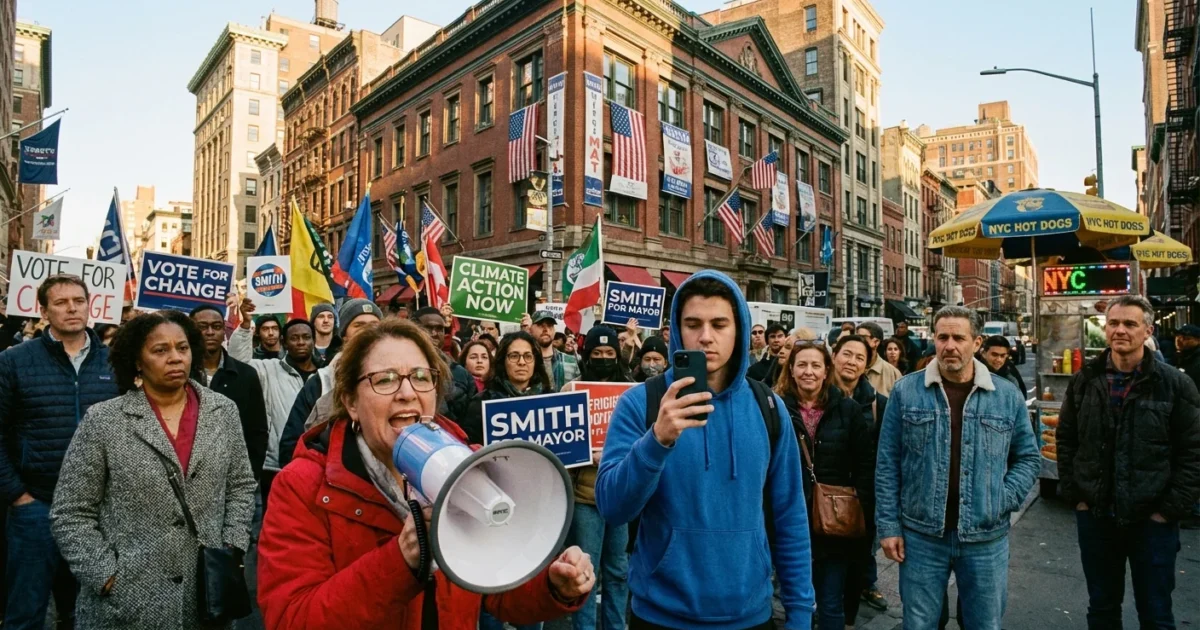
You open your phone and it’s everywhere. Breaking alerts. Spicy threads. Viral clips. People arguing in the comments like it’s their full-time job. Politics isn’t just in D.C. or on TV anymore. It’s in your group chats, your For You page, even the price of your iced latte. That’s why this week’s top trending topic is, simply, politics. Search volume is up, growth is spiking, and feeds are buzzing. Not because of one headline, but because a bunch of different stories are colliding all at once. The result feels like a storm you can’t scroll past. 🌪️
Here’s the real tea: politics isn’t boring. It’s the system that decides what your paycheck buys, which hospitals you can access, who gets to cross a border, how bad wildfires get, and what your data is worth. Whether you vibe with it or not, it shapes your life. So if your screen looks like a never-ending debate stage, this guide is your chill, clear-eyed map to what’s going on, why it’s peaking right now, and how to keep your brain safe while you figure out where you stand. 🧭
Why Politics Is Everywhere Right Now
Politics is trending because several big gears are turning at once. Elections are coming up in multiple places. Legislatures are pushing bills before deadlines. Courts are dropping rulings that ripple through whole communities. When those gears sync, attention explodes. And the 24/7 news cycle loves a pileup.
Think of it like this. An election debate heats up, a major court decision lands, and a new policy proposal goes viral in the same week. Suddenly, every platform is amplifying clips, hot takes, and clapbacks. That flood makes it feel like “politics” jumped from a niche topic to your main feed overnight. But under the buzz are real choices about budgets, rights, and rules. Those choices affect school, rent, jobs, and the cost of living. So even if the discourse is messy, the stakes are very real. 📈
Another reason it’s trending? Controversy travels fast. If a law touches identity, safety, or money, it triggers strong reactions. Strong reactions boost engagement. Engagement fuels distribution. Distribution pulls more people in. It’s a loop. You don’t have to like it to recognize how it works.
The Overlapping Triggers: Elections, Laws, and Courts
The “why now?” has layers. The top three drivers almost always show up together.
Elections: The Countdown Clock
Campaigns crank up the noise months before a vote. Ads roll. Debates pop. Candidates test lines on social media to see what sticks. Early polls drop, then shift, then drop again. People start asking, “Are you registered?” Others respond with memes. You feel the clock ticking. Even if you don’t post about it, you see it.
Legislation: The Policy Push
Lawmakers often sprint at the end of a session. That’s when bills on taxes, healthcare access, education funding, immigration rules, and climate targets get pushed or paused. A boring-sounding amendment can change thousands of lives, which is wild. These fights rarely fit into a single clip, but their effects last way longer than any post.
Courts: The Rulings That Land Like Meteors
Courts decide on rights, rules, and how laws are interpreted. A single decision can rewrite the playbook for businesses, schools, and police, or set the boundaries for speech and privacy. Rulings often drop in batches, which creates waves of coverage and arguments. You might wake up to a decision that shifts what’s legal that afternoon.
When elections, legislation, and court rulings overlap, attention spikes. That’s when misinformation also spikes. Slowing down your scroll is not being apathetic. It’s strategy. 🧠
The Information Ecosystem: Who Shapes What You See
The old model was simple. News broke on TV or in a paper. Now your feed is the front page. Algorithms prioritize emotion. Outrage, fear, and shock travel faster than nuance. That’s not because the platforms hate you. It’s because the metrics love engagement. And what engages humans fastest is threat and drama. 🔥
Add in polarized media bubbles and you get parallel universes. People can read totally different framings of the same event. One outlet calls it a “crisis.” Another calls it “commonsense.” Your For You page learns what keeps you scrolling and feeds you more. If you only hang in one lane, your picture of reality shrinks. That’s not a vibe.
Disinformation also thrives in this chaos. Sometimes it’s sloppy mistakes. Sometimes it’s targeted propaganda, including deepfakes or edited clips that remove context. The goal isn’t always to make you believe the lie. Sometimes it’s to exhaust you so you stop trying to tell what’s true at all. That’s called “cynicism farming” and it’s very 2025.
Here are quick flags many people use to spot low-quality posts:
- Fuzzy screenshots with no link to a primary source
- Claims that ask for sharing “before it gets deleted”
- Edits that cut off the start or end of a quote
- Headlines that don’t match the article text
Try a three-source check. If a claim matters, see if at least three reputable outlets with different leanings confirm the core facts. Also peek at official documents when possible. It’s not about trust issues. It’s about building your own receipts. 📚

The Big Policy Arenas Driving the Heat
Politics gets loud around certain topics because they affect daily life. These are the arenas where arguments get real and personal.
Economy: From gas prices to rent to student debt, the economy is the backdrop to everything. Policy choices decide minimum wages, tax credits, budget priorities, and what support exists in a downturn. When markets dip, people panic. When they surge, people argue about who benefits. The news cycles reflect that mood.
Healthcare: Access, cost, and coverage are constant battlegrounds. Policies shape whether you can afford therapy, which reproductive services are legal, and how much insulin costs. Court decisions often land here too, because rights and regulations collide.
Immigration: This is about borders, but it’s also about labor, families, and safety. Changes to processing, visas, or enforcement can alter local economies and community life. It’s why even small policy tweaks trend hard.
Climate: Heat waves, smoke days, floods, and mega-storms keep the climate conversation in your notifications. Policy debates here include clean energy jobs, transit, building codes, disaster funding, and carbon targets. No matter where you live, you’re seeing new baselines. People feel it, then they post about it. 🌍
National Security: Not just a military word. It covers cyber threats, AI risks, infrastructure, and how the country interacts with the world. When “national security strategy” trends, it usually means a government is publishing a roadmap of threats, goals, and priorities across defense, diplomacy, tech, and energy. It’s vibes plus spreadsheets.
History also jumps into the chat. The “Monroe Doctrine” — a 19th-century U.S. policy aimed at limiting European interference in the Americas — resurfaces whenever debates over influence, sovereignty, or regional power heat up. When it trends, it signals a conversation about how old ideas haunt modern policy. The past isn’t past. It’s ammo in today’s arguments.
These policy areas aren’t siloed. For example, climate links to national security when extreme weather disrupts supply chains or drives migration. Healthcare connects to the economy through productivity and costs. Immigration intersects with labor markets and education. These are networks, not boxes.
Politics IRL: How The Trend Touches Your Life
You might not follow every hearing or read every opinion. But the outcomes show up around you. New laws can change your campus rules or your city’s transit budget. A court decision can affect what IDs are recognized or what healthcare is covered. An election can decide who picks the school superintendent, who sets rent guidelines, or how your city polices nightlife.
Markets react to political uncertainty. Sometimes that means your 401(k) or your parents’ retirement swings. Sometimes it means a startup pauses hiring. You don’t need to watch the stock tickers to feel the anxiety when prices spike or paychecks don’t stretch.
There’s also the social layer. Family group chats can get tense. Friend groups can fracture over posts. It’s okay to set boundaries. It’s okay to say “I’m not debating this at dinner” and keep it moving. You control your energy. Protect it like it’s on 1% with no charger. 🔋
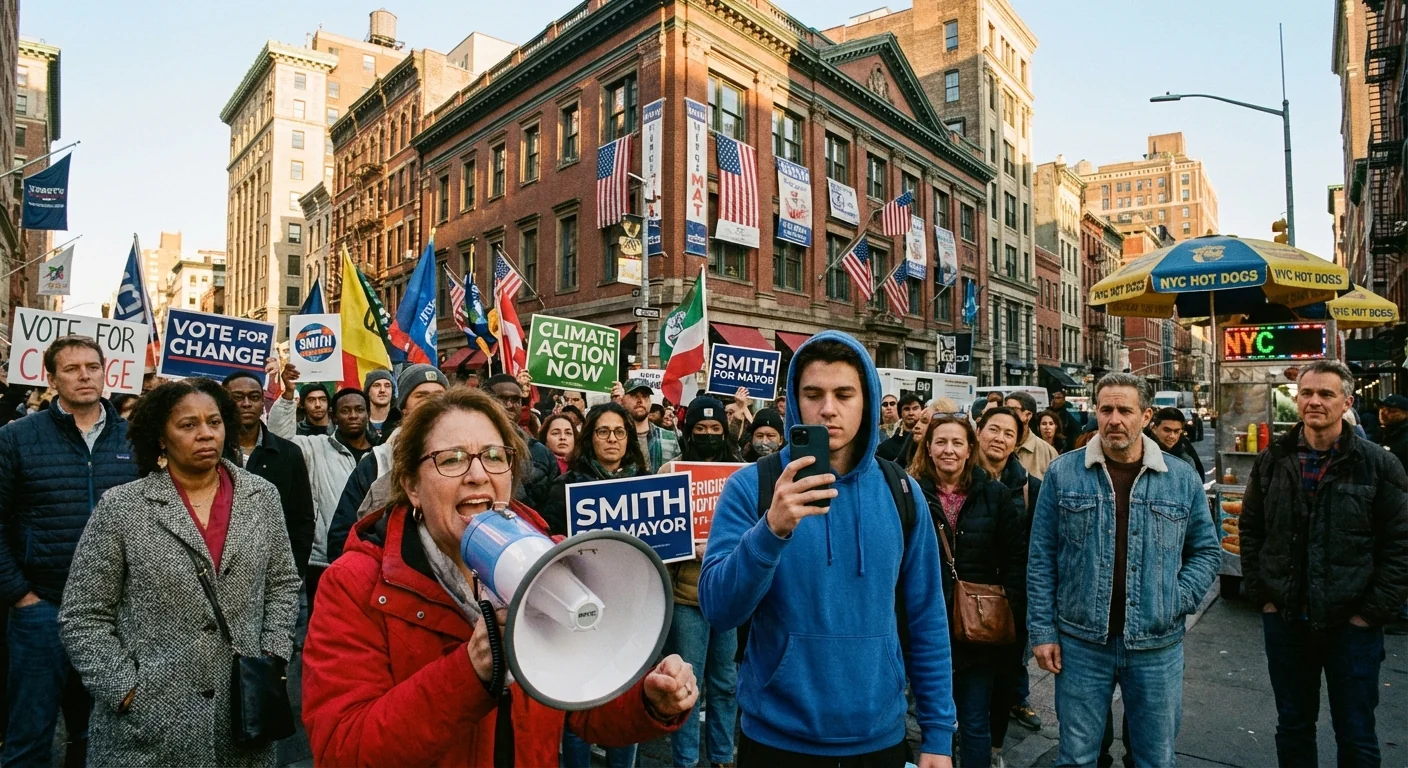
And yes, people mobilize. Protests pop up. Town halls fill. Local meetings stretch late. That’s part of the cycle. When the noise online spills into the street or city hall, it’s a sign that people believe the stakes are real. You can observe, learn, and decide how much you want to be involved at your own pace.
Protect Your Information Diet
Your feed is a firehose. You need guardrails. Here’s a simple sequence many people use when a shocking political post hits:
- Pause. Take one deep breath. Emotional spikes make bad fact-checkers.
- Check the source. Is there a link to a primary document or official statement?
- Look for confirmation. Do multiple reputable outlets agree on the core claim?
- Inspect the media. Reverse image search if it’s a photo. Watch the full clip if possible.
- Read past the headline. Sometimes the body of the article contradicts the hype.
These steps don’t kill your vibe. They protect it. You’ll spend less time doomscrolling and more time understanding what actually matters. That’s main character energy.
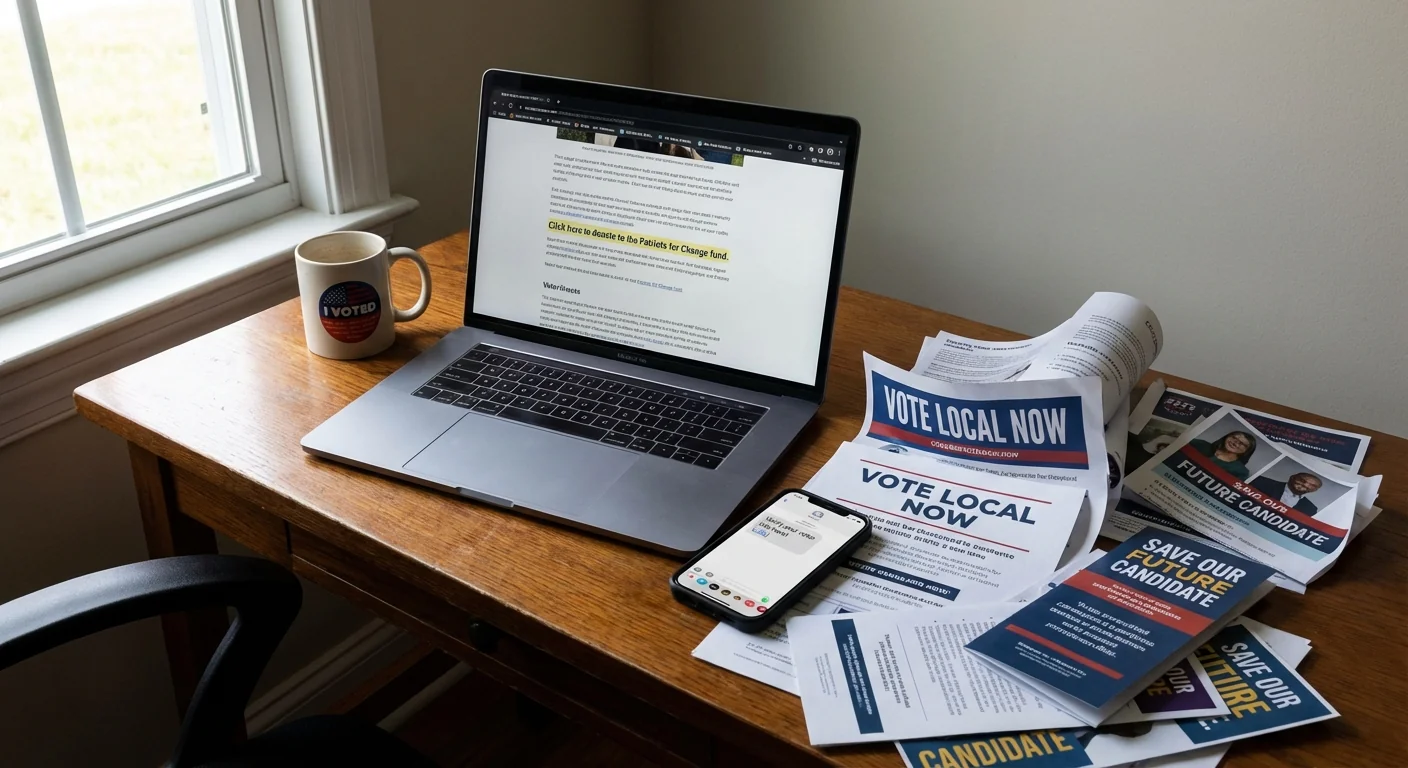
Scammers ride political chaos. Be careful with donation links, petitions, and “verify your voter info here” DMs. If you choose to share personal info or money, use official sites and double-check URLs. Your privacy is part of your safety plan. 🛡️
Meaningful Civic Action Without the Burnout
Civic action doesn’t have to mean yelling on live. It can be low-key, local, and sustainable. The point isn’t to do everything. It’s to do something that aligns with your values and capacity.
Many people start with learning. They follow a few experts with different perspectives. They skim agendas for local meetings. They read summaries of major bills instead of threads about threads. This builds context. Context makes you calmer and sharper at the same time.
Others connect with community. That might be mutual aid, campus orgs, neighborhood groups, or issue-focused nonprofits. Some people like policy detail, like fact-sheet writing. Others prefer logistics, like setting up rooms or delivering supplies. All of it matters. Not every role is loud. Some are quiet and crucial. 🤝
Some prefer institutional routes. They watch committee hearings. They submit public comments when agencies ask. They keep an eye on what boards and commissions are doing in their city. Bureaucracy looks boring until you realize that’s where many rules actually get made.
If you choose to engage more directly, many people:
- Attend a meeting to understand what’s at stake before deciding next steps
- Track deadlines for public input on rules that affect their community
- Use official channels to share feedback with decision-makers
- Set a realistic “engagement budget” to avoid burnout
The trick is to make it a habit, not a sprint. Set boundaries. Schedule breaks. Touch grass. Politics will be there when you get back. Your sanity is priceless.
Frequently Asked Questions
Q: Why is “politics” trending right now with no single headline?
A: Because several forces are overlapping. Elections in multiple places are ramping. Legislatures are moving bills before deadlines. Courts are releasing rulings. Social media amplifies all of it. When these cycles sync, attention explodes even without one dominant story.
Q: How can I tell if a political claim is misleading without spending hours?
A: Use a quick routine. Pause, look for a primary source, check if multiple reputable outlets confirm the core fact, and examine the full media, not just a clip. If the claim asks you to share it fast “before it’s deleted,” that’s a red flag. Your goal is not to debunk everything. It’s to avoid getting played.
Q: What does “national security strategy” mean and why does it trend?
A: It’s a document or plan that outlines how a country sees threats and priorities across defense, diplomacy, tech, energy, and more. When it drops, it signals policy direction. People watch it to predict budgets, alliances, and how the government will tackle emerging risks like cyberattacks or AI misuse.
Q: What is the Monroe Doctrine and why is it back in conversation?
A: It’s a 19th-century U.S. policy that warned European powers against interfering in the Americas. It trends when debates flare about influence, sovereignty, and regional power. Think of it as historical context pulled into modern arguments about foreign policy. People reference it to frame current moves, even when the situations are very different.
Q: Does engaging with politics mean I have to argue online?
A: Not at all. Engagement can be research, attending a local meeting, volunteering behind the scenes, or simply staying informed. You can participate without debating strangers. Curate your feed, set boundaries, and pick lanes that fit your energy and goals. Your timeline doesn’t have to be a battleground. 💬
Conclusion
Politics is trending because life is trending. When rules, rights, and resources are up for debate, your feed reflects that heat. Elections, laws, and court rulings collide, algorithms boost reactions, and old ideas like the Monroe Doctrine reappear in new fights. None of this means you have to drown in noise. Learn the cycles. Guard your attention. Build your own receipts. Engage at your level. You don’t need to be on TV to make an impact. You just need a clear mind, steady habits, and a sense of what matters to you. That’s how you stay grounded while the timeline spins. 🌱